


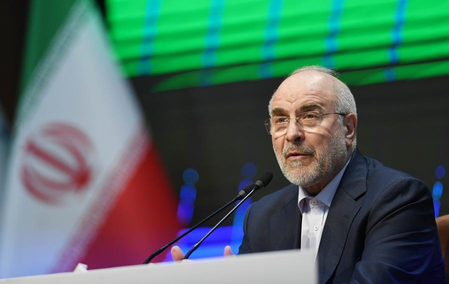
Iran has acknowledged progress in its discussions with the United States, although it emphasized that a final agreement is still distant, with the current two-week ceasefire set to end on April 22. Mohammad Bagher Ghalibaf, Speaker of the Iranian Parliament, highlighted that significant differences persist between the two parties. He mentioned that negotiations have not yet reached a conclusive phase, indicating that a comprehensive resolution is yet to be reached.
Ghalibaf also stated that Iran had the upper hand during recent conflicts and agreed to the temporary ceasefire only after its terms were recognized by Washington. Emphasizing Iran’s strategic importance, he noted that the US had not achieved its goals while Iran maintained control over the vital Strait of Hormuz, a critical global energy route. Ghalibaf stressed that negotiation serves as a method of asserting rights against attempts to impose demands.
Furthermore, Iran’s Supreme National Security Council expressed determination to oversee traffic through the Strait of Hormuz until a lasting peace is established in the region. This decision followed the announcement by Iran’s main military command, Khatam al-Anbiya Central Headquarters, about resuming strict control over the strait due to the ongoing US naval blockade. The SNSC outlined its plans to regulate vessel traffic, issue permits, impose security fees, and manage traffic according to its rules and wartime protocols.
