


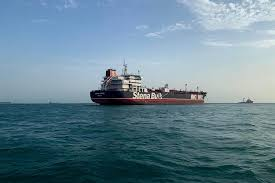
Iran’s Supreme National Security Council (SNSC) has declared its determination to oversee traffic in the Strait of Hormuz until the conclusion of the war and the establishment of lasting peace in the region. This decision follows the announcement by Iran’s main military command, Khatam al-Anbiya Central Headquarters, regarding the resumption of strict control over the strait due to the ongoing US naval blockade. The SNSC outlined its plans to regulate vessel traffic by requesting information, issuing permits, collecting security fees, and managing traffic based on its protocols and wartime regulations.
The SNSC emphasized that any attempts by the enemy to disrupt vessel transit through the strait, such as imposing a naval blockade, will be considered violations of the current ceasefire. In response, Iran will prevent the conditional and restricted reopening of the Strait of Hormuz. The council highlighted that a significant portion of equipment for US bases in West Asia is transported through the strait, posing a security threat to Iran and the region.
Furthermore, Iran disclosed that it has received new proposals from the US, conveyed through Pakistan during a recent visit by Pakistan’s Army Chief Asim Munir, and is currently evaluating them. Iran’s negotiating team is committed to safeguarding the country’s interests without compromise. Iran took control of the strait on February 28, coinciding with joint strikes by Israel and the United States on Iranian territory. Subsequently, the US implemented a blockade targeting ships traveling to and from Iran after peace talks in Islamabad failed.
In a separate development, Iran’s Foreign Minister Seyed Abbas Araghchi assured that the Strait of Hormuz would remain open for commercial shipping during the two-week truce between Iran and the US, effective from April 8. However, due to the persistent US naval blockade, Iran’s military command has decided to resume strict control over the strait.
