


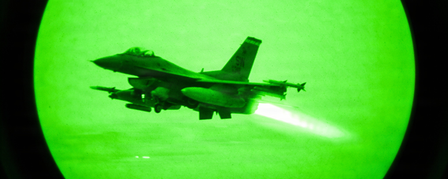
The Iranian army conducted drone attacks on the US Fifth Fleet in Bahrain, targeting communications and radar facilities associated with the fleet’s Patriot air-defense system. In response, the US Central Command carried out additional strikes on multiple Iranian targets, citing Iran’s perceived aggression.
Amid rising tensions, Iran’s Khatam al-Anbiya Central Headquarters announced the closure of the Strait of Hormuz to all vessels, including oil tankers and commercial ships, due to security concerns arising from the military standoff in the region. Iranian military officials cautioned that vessels entering the strategic waterway could face potential targeting.
Despite reports of peace discussions facilitated by Pakistani mediation between Tehran and Washington, the recent exchange of attacks continued. Iran dismissed US President Donald Trump’s assertion of a phone conversation with Iranian officials as a pretext to avoid conflict.
Jordanian air defense systems and Royal Air Force fighter jets intercepted and destroyed 20 missiles launched from Iran over the Azraq region in eastern Zarqa Governorate. The interception caused debris to fall, with no reported casualties or material damage. Military engineering teams were dispatched to handle any unexploded ordnance.
The Jordanian Armed Forces affirmed their vigilance in monitoring regional developments and readiness to safeguard the Kingdom’s airspace and sovereignty. They emphasized their commitment to preventing any violation of Jordanian airspace by any external entity.
Iran’s Islamic Revolutionary Guard Corps (IRGC) claimed responsibility for targeting the US al-Azraq base in Jordan with ballistic missiles in retaliation for US actions.
