


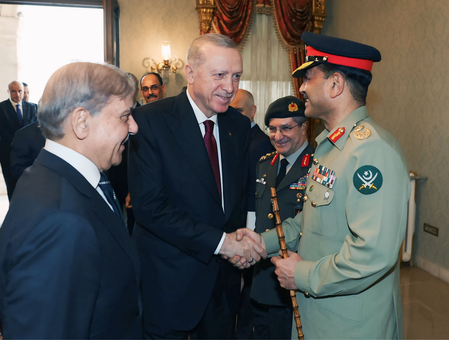
Israel and India have been advised to focus on vigilance rather than alarmism by engaging in deeper strategic dialogues with NATO partners, enhancing non-proliferation mechanisms, and strengthening regional diplomacy. According to a report by Sergio Restelli, both countries should closely monitor Prime Minister Narendra Modi’s upcoming visit to Israel, considering dynamics involving Turkey, Pakistan, and potential issues like Turkish nuclear aspirations.
The report highlighted the need for attention towards the possibility of Turkey developing nuclear weapons, a concern often overshadowed by discussions on Iran and North Korea. Turkey, a NATO member, has raised questions about nuclear weapons possession and has been assertive in its regional stance, prompting security analysts to question its long-term intentions.
For Israel, the implications of a Turkish nuclear capability are deemed immediate and strategic. Israel’s security doctrine relies on nuclear ambiguity for deterrence, emphasizing military superiority in a volatile region. A Turkish nuclear presence could alter regional dynamics significantly, given Turkey’s influence in the Levant and strained relations with Jerusalem.
In the context of India, the report underscored the country’s unique concerns, particularly with nuclear-armed neighbors like Pakistan and China. Turkey’s alignment with Pakistan on diplomatic and defense matters has caught India’s attention, raising apprehensions about potential security challenges across West Asia and beyond. The report emphasized that the international community must be prepared for the geopolitical repercussions if Turkey pursues nuclear armament, warning of potential disruptions to the global non-proliferation framework.
