


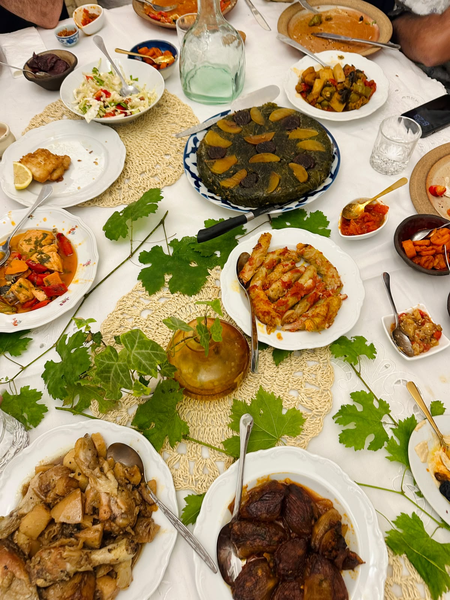
For many, Israel is synonymous with conflict, but its culinary scene tells a different story. From bustling markets to family kitchens, Israel’s food journey is a blend of history and cultural exchange. The country’s diverse heritage is reflected in its meals, influenced by Jewish, Arab, Christian, and Druze traditions.
In Tel Aviv, food is a way of life, with diverse offerings like warm pita, hummus, shakshuka, and local cheeses. Moving to Jaffa, the iconic Abulafia Bakery, dating back to 1879, continues to serve traditional recipes passed down through generations. Despite challenges during the pandemic and conflicts, tourism is slowly recovering.
Jerusalem’s Mahane Yehuda Market showcases Israel’s culinary diversity, attracting millions of tourists with its array of flavors. In Acre, chef Uri Jeremias emphasizes the importance of quality raw materials in his seafood restaurant. The Galilee region offers a glimpse into Druze culinary traditions, creating unexpected connections with Indian palates.
Israel’s food story extends to its farms and vineyards, known for Medjool dates and quality wines. Wineries like Tulip Winery reflect Israel’s growing reputation in winemaking. Indian cuisine has also found a place in Israel, with restaurateurs like Reena Pushkarna contributing to the culinary landscape.
As Shabbat approaches, Jerusalem comes alive with tradition, where families gather for a day of rest and prayer. Shabbat meals, like those at Rachel and Eliyahu Elmakias’ home, are a celebration of faith and gratitude. From ancient bakeries to Shabbat dinner tables, Israel’s food culture weaves together its history, communities, and enduring traditions.
