


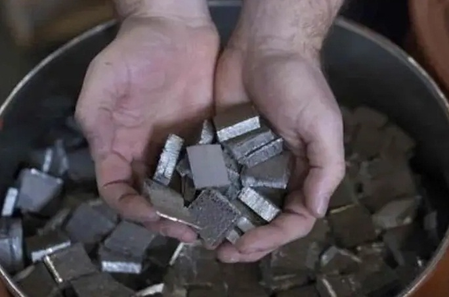
Japan is moving forward with developing rare earth mines in Africa following the discovery of significant dysprosium and terbium reserves in Namibia. These minerals, crucial for high-temperature magnetic properties, are essential in high-performance electric vehicle motors and are considered rare earth elements. By 2028, Japan aims to decrease its reliance on Chinese supplies, with plans for multiple mine projects in Africa. Tokyo is already in the process of selecting developers for these operations and considering the construction of refining facilities to ensure a stable supply chain.
The Japan Organization for Metals and Energy Security (JOGMEC) has confirmed the presence of dysprosium and terbium reserves in Namibia, prompting Japan’s strategic move to secure alternative sources for these critical minerals. With the aim of diversifying its supply chain and reducing dependence on China, Japan plans to ramp up rare earth mining activities in Africa. By partnering with Australian and French companies, Japan seeks to meet its domestic demand for dysprosium and terbium, crucial for various high-tech applications, including electric vehicles.
In response to China’s export restrictions on certain rare earths, including dysprosium and terbium, Japan is accelerating its efforts to establish a stable supply chain through African mine developments. The move comes amidst geopolitical tensions, with Japan seeking to ensure a consistent flow of essential minerals for its industries. Tokyo’s initiatives include not only mining operations but also the establishment of refining facilities to enhance the quality of extracted ores and meet stringent industry standards.
