


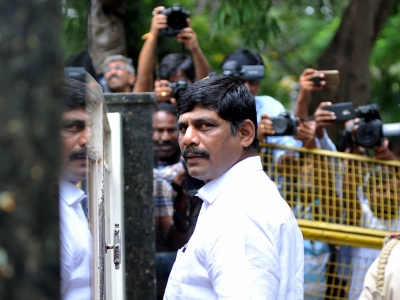
Karnataka Deputy Chief Minister D.K. Shivakumar’s brother, former MP D.K. Suresh, recently commented that the Congress party tends to prioritize those who have joined from other parties over long-standing members. This statement is seen as a subtle criticism of Chief Minister Siddaramaiah amid internal leadership tensions. Suresh highlighted that even though the Congress includes leaders from various backgrounds, individuals who switched from other parties are often given precedence over loyal Congress members.
Suresh’s remarks came during a media interaction near his Bengaluru residence, where he emphasized the party’s focus on welcoming leaders from diverse political affiliations. In response to questions about recent statements regarding leadership within the party, Suresh sarcastically deferred to the Deputy Chief Minister’s authority, implying a sense of deference to higher-ranking officials. Additionally, he addressed concerns raised by a Shivakumar loyalist MLA regarding the issuance of notices, emphasizing the need for consistent policies for all members.
Notably, Suresh also touched upon the recent elevation of a BJP leader to a minister-of-state rank within the state government, suggesting that such decisions were made with inclusivity in mind. He clarified that his brother, D.K. Shivakumar, often visits Delhi for various reasons, including political engagements and discussions related to governance matters. Suresh dismissed speculations linking Shivakumar to purported foreign trips by certain MLAs, attributing such rumors to political motives aimed at tarnishing his brother’s reputation.
When questioned about the ongoing political dynamics and potential leadership changes, Suresh maintained a stance of patience, indicating that time would reveal the outcomes of current developments. He expressed confidence in Chief Minister Siddaramaiah’s integrity and reiterated the importance of conducting local body elections regardless of the prevailing circumstances. Suresh also emphasized the significance of engaging with high command leaders in Delhi to address party-related issues and underscored the collaborative nature of such interactions.
