


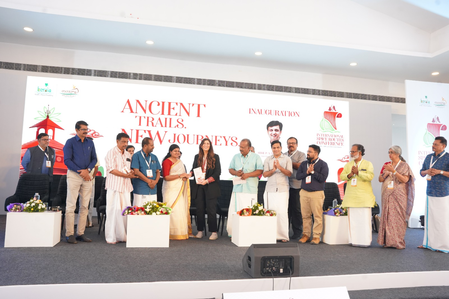
Kerala has introduced 33 curated “Spice Journey” trails to enhance its heritage tourism offerings. These trails, spanning from Kasaragod to Kollam, aim to convert the state’s historic spice trade legacy into engaging tourism circuits. Spearheaded by the Muziris Heritage Projects, this initiative was unveiled at the International Spice Routes Conference inaugurated by Tourism Minister P.A. Mohamed Riyas.
The project’s goal is to showcase Kerala not just as a leisure spot but as a living museum of maritime trade, cultural exchange, and culinary history. These Spice Journeys are designed around the ancient Spice Routes that turned Kerala into a global trading hub centuries ago. Travelers can explore streets, temples, churches, ports, and markets where history seamlessly merges with modern life.
The circuit is divided into eight regional clusters with 33 unique journeys, each reflecting the cultural and historical essence of its area. Starting from Bekal in Kasaragod, the trails extend through various regions like Kannur, Kozhikode, Thrissur, Ernakulam, Alappuzha, and Kollam. The Kasaragod-Bekal cluster includes trails that delve into historical trade and cultural connections with neighboring regions of Karnataka.
In the Kannur–Thalassery stretch, visitors can enjoy Mappila culinary sessions, Theyyam rituals, and colonial heritage walks. Fort Kochi stands out as a significant point, offering insights into its transformation into a global spice port, along with colonial architecture, trade stories, and curated food experiences. The Ernakulam–Thrissur Muziris Heritage Walk highlights the region’s ancient Jewish ties and the port of Muziris, once a hub for merchant ships from West Asia and Europe.
Moving south, Alappuzha and Kollam showcase backwater heritage, biodiversity corridors, and coastal trade histories, providing a tourism experience beyond traditional sightseeing. Minister Riyas introduced the International Spice Routes Heritage Network as a global platform to promote heritage-based tourism. The conference included discussions on sustaining transnational heritage corridors, digital tourism, and reimagining the Spice Routes for future travel economies.
