


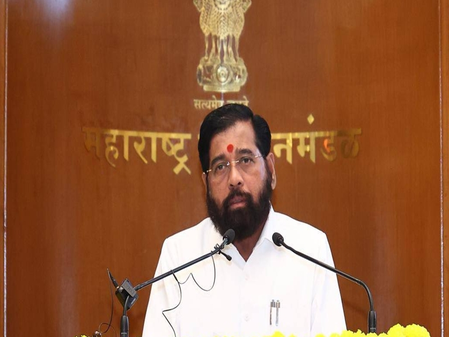
Maharashtra Deputy Chief Minister Eknath Shinde announced that the state’s Sewage Treatment Plant (STP) model has shown significant success and will be established as an exemplary model nationwide. Deputy CM Shinde expressed pride in Maharashtra’s efforts towards implementing “Zero Waste” and “Waste-to-Energy” concepts, aiming for effective waste management. Representing Maharashtra at the ‘Swachh Bharat Mission Urban 2.0’ National Review Meeting, Shinde presented the state’s cleanliness campaigns and waste management projects.
Shinde assured effective implementation of the Central Government’s guidelines across Maharashtra, emphasizing the transformation of the Swachh Bharat Mission into a public movement in the state. He highlighted the conversion of waste into valuable resources through initiatives like Compressed Biogas (CBG) projects and the state’s Green Policy. The Maharashtra government is actively promoting these initiatives through Public-Private Partnership (PPP) models to enhance sustainable waste management practices.
Deputy CM Shinde underscored the importance of instigating positive behavioral changes among citizens through cleanliness initiatives, noting the increasing public awareness and participation in Maharashtra. He expressed optimism for the future of the cleanliness mission, citing the role of public participation, modern technology adoption, and innovative administrative practices in achieving new milestones in urban sanitation and waste management.
Union Minister Manohar Lal Khattar stressed the importance of states adopting each other’s best practices in cleanliness initiatives under the ‘Swachh Survekshan’ and ‘Swachh City Pairing’ programs. Khattar emphasized that cleanliness is a collective responsibility tied to public health and human dignity, urging states to intensify their efforts. The meeting also aimed to enhance inter-state coordination, share successful urban sanitation models, and expedite the implementation of sustainable waste management systems nationwide.
