


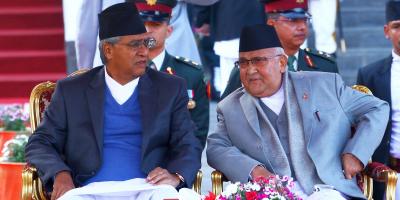
As Nepal’s political parties gear up for the March 5 parliamentary elections, the Nepali Congress (NC) is grappling with internal divisions. Analysts caution that failure to resolve these conflicts promptly could have serious repercussions for the party in the upcoming House of Representatives elections.
Last year, a significant number of representatives at the party’s general convention called for a Special General Convention due to the Gen-Z movement that ousted the coalition government led by former Prime Minister K P Sharma Oli in collaboration with the NC. The party’s charter mandates the convening of a Special Central General Convention within three months if deemed necessary by the Central Working Committee or upon a written request by forty percent of the Central General Convention members citing special reasons.
The party’s establishment faction, led by former President Sher Bahadur Deuba, rejected the petition, leading to a decision by the Central Working Committee, dominated by Deuba, to schedule the 15th General Convention from May 11 to 14 in Kathmandu. In response, the party’s two general secretaries from the dissident faction, Gagan Thapa and Bishwa Prakash Sharma, announced a Special General Convention set for January 11–12 in Kathmandu.
Amidst the internal turmoil, supporters of the proposed convention emphasize their commitment to party unity. However, President Deuba’s camp has urged elected representatives to refrain from participating in the planned Special General Convention, citing the party statute that reserves the authority to convene conventions solely with the Central Working Committee.
