


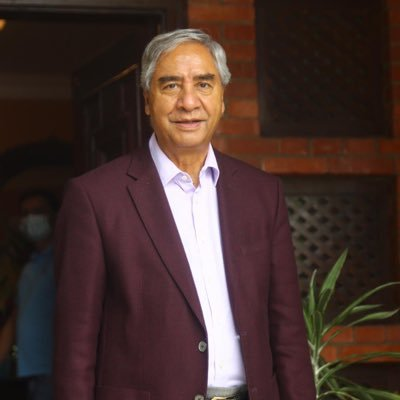
Nepal has seen the Nepali Congress, the Communist Party of Nepal (Unified Marxist–Leninist) (CPN-UML), and the erstwhile CPN (Maoist Centre) taking turns in power over the past two decades. Leaders like Sher Bahadur Deuba, KP Sharma Oli, and Pushpa Kamal Dahal have been prominent figures in governance for about a decade. Last year, widespread dissatisfaction with these leaders and perceived corruption led to significant Gen Z protests, resulting in the fall of the coalition government led by Prime Minister Oli.
The protests saw violent demonstrations, including the burning of the leaders’ residences, causing 77 fatalities and billions in property damage. As Nepal gears up for parliamentary elections, these long-standing political parties and leaders are encountering unprecedented challenges due to growing public discontent. New political contenders, notably the Rastriya Swatantra Party (RSP) led by media figure Rabi Lamichhane and youth leader Balen Shah, are emerging as formidable opponents on the electoral front.
Observers note a shift in public sentiment, hinting at a potential transformation in the political landscape. Former Chief Election Commissioner Neel Kantha Uprety emphasized that the established parties are facing a critical test in the upcoming elections, given their past performance and corruption allegations. Meanwhile, the RSP, with popular figures like Lamichhane and Shah, is posing a strong competition, with Shah challenging former Prime Minister Oli in Jhapa-5.
The Nepali Congress is also in the fray, with Gagan Thapa contesting from Sarlahi-4 against RSP’s Ameresh Kumar Singh. Thapa’s popularity within the party is expected to boost the Nepali Congress’ electoral prospects. The political scenario in Nepal is further complicated by the leftist forces’ internal dynamics, with Oli’s influence in CPN (UML) and Prachanda leading the newly formed Nepali Communist Party after the merger of Maoist Centre and Unified Socialist parties.
Political analyst Lok Raj Baral highlighted potential electoral challenges for leftist forces, especially the UML, following the fallout of the Oli-led government. The electoral landscape is shifting, with the NCP facing difficulties in securing votes without electoral alliances. Past electoral trends suggest that the erstwhile CPN (Maoist Centre) benefited from alliances, indicating a tough electoral battle ahead under the current circumstances.
