


Two new measles cases have been identified in Auckland, connected to overseas travel and originating from the same household. This discovery comes three weeks after New Zealand had declared an earlier outbreak as over. Health New Zealand stated that locations of interest include Singapore Airlines flight SQ281, which landed in Auckland on February 17, Auckland International Airport, and the Waitakere Hospital’s emergency department waiting room. Public health officials are currently tracing contacts, especially passengers seated near the affected individuals on the flight, and are advising anyone with symptoms resembling measles to contact healthcare providers before seeking in-person care.
Health officials in New Zealand have highlighted the ongoing risk of measles due to low immunization rates and international travel. The previous measles outbreak in the country, which began in September 2025, was officially declared concluded earlier this month. Measles is a highly contagious disease that spreads through contact with infected nasal or throat secretions, such as through coughing, sneezing, or breathing contaminated air. The virus can remain active and contagious in the air or on surfaces for up to two hours, making it extremely infectious.
Measles can affect individuals of all ages but is most commonly seen in children. Vaccination is the most effective way to prevent both contracting measles and transmitting it to others. The vaccine is safe and aids the body in fighting off the virus. Prior to the introduction of the measles vaccine in 1963 and widespread immunization efforts, major measles epidemics occurred every two to three years, resulting in approximately 2.6 million deaths annually.
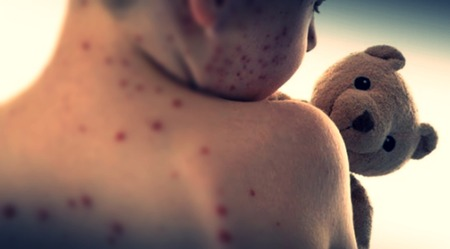
In 2023, an estimated 107,500 individuals died from measles, predominantly children under the age of five, despite the availability of a safe and affordable vaccine. Symptoms of measles typically manifest 10–14 days after exposure to the virus, with a prominent rash being a common visible sign. Early symptoms lasting 4–7 days include a runny nose, cough, red and watery eyes, and small white spots inside the cheeks. The rash usually appears 7–18 days post-exposure, starting on the face and upper neck before spreading over 3 days to the hands and feet, lasting 5–6 days before fading.
