


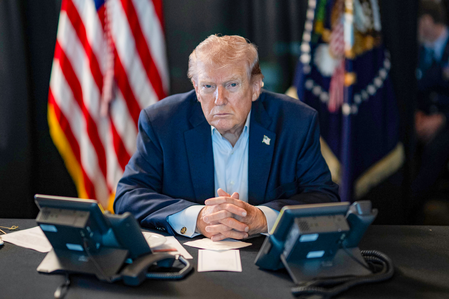
Oil prices decreased and markets showed a positive response after President Donald Trump postponed planned strikes on Iran. Trump, in a Truth Social post, mentioned holding off on attacks on Iranian energy infrastructure for five days following productive discussions with Tehran to resolve the conflict. This move, subject to the success of ongoing meetings, hinted at a potential diplomatic breakthrough in the three-week-old war.
The announcement, the first acknowledgment of high-level talks since the US and Israel initiated strikes on Iran in late February, led to immediate market reactions. US stock futures surged nearly 2%, erasing earlier losses, while Brent crude, the global oil benchmark, dropped below $100 a barrel from its peak above $114 during the conflict. European markets also turned positive, and cryptocurrencies gained ground as investor sentiment improved.
Analysts noted that the delay in strikes could facilitate the restoration of energy flows through the crucial Strait of Hormuz, a significant route for global oil shipments. Hamad Hussain of Capital Economics expressed optimism, suggesting that positive talks might pave the way for reopening the Strait. However, uncertainties linger as Iranian state-linked media viewed Trump’s announcement as a retreat, with reports indicating no direct or mediated talks before the statement.
The conflict has already impacted global energy infrastructure, with Iranian missile strikes causing damage to key facilities, including a gas-to-liquids plant in Qatar. This damage has forced part of the operation offline for at least a year, contributing to concerns about rising fuel costs. Diesel prices in the US have surged over 40% in a month, raising worries about supply chains and consumer prices.
Despite the market rally on Monday, investors remain cautious due to the conflict’s impact on bond markets and the heightened expectations of interest rate hikes amid increasing inflation risks. For India, the decline in oil prices brings immediate relief as a major crude importer. India’s economy, sensitive to oil price fluctuations, stands to benefit from reduced inflation and decreased pressure on the government’s finances. However, the situation in the Gulf remains a concern for India, given the significant Indian population living and working in the region, with potential disruptions to livelihoods and remittance flows that are crucial for the Indian economy.
