


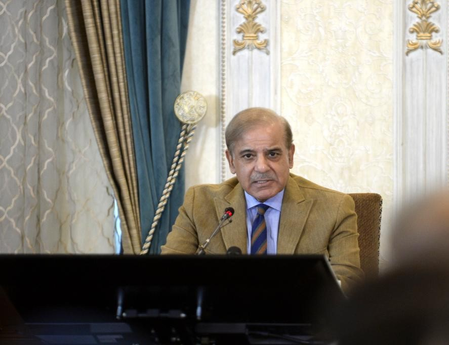
Pakistan’s government has revealed austerity measures in response to a deepening fuel crisis caused by surging global oil prices and tensions in West Asia. Prime Minister Shehbaz Sharif, in a televised address, outlined steps to conserve fuel and raise funds following a recent 20% hike in petrol and diesel prices. The country’s heavy reliance on imported energy has left it vulnerable to supply shocks and price fluctuations, putting immense pressure on its economy.
The austerity plan includes cutting fuel allocation for government vehicles by 50% for two months and keeping 60% of departmental vehicles off the roads. Additionally, ministers, advisers, and special assistants will forego salaries for two months, while parliament members will face a 25% pay reduction. Government departments, excluding salaries, will see a 20% reduction in expenditures.
To address the severity of the situation, Pakistan has decided to close all schools for two weeks and shift higher education institutions to online classes to curb energy consumption. However, criticism has arisen over the government’s handling of the crisis, with reports suggesting that petrol prices were increased more than necessary, leading to additional revenue for the government.
The crisis underscores Pakistan’s economic vulnerabilities, heavily reliant on fuel imports passing through the critical Strait of Hormuz. With escalating global oil prices and regional tensions, the country faces mounting pressure from inflation, supply uncertainties, and rising import expenses. The energy shock is not limited to Pakistan, as neighboring Bangladesh has also taken steps to conserve electricity and fuel amid the global energy crisis.
