


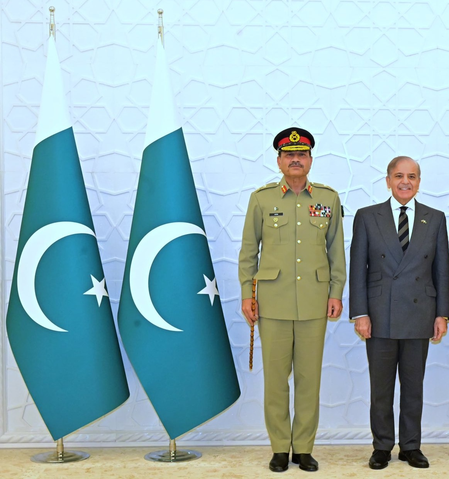
Pakistan, led by Asim Munir, is experiencing heightened security challenges, engaging with global powers, clashing with neighboring countries, and grappling with internal unrest. A recent report points out that the country’s current crisis stems from its military leadership’s security and foreign policies.
The deadly suicide bombing on February 6 at a Shia mosque in Islamabad, claiming 36 lives, underscores Pakistan’s ongoing security turmoil linked to its support for extremist groups. Despite diplomatic engagements with global leaders like Donald Trump, sustained insecurity poses obstacles to Pakistan’s long-term economic and political progress.
Recent attacks, including the mosque bombing in Islamabad, mark a concerning escalation of violence in the country. Militancy, previously concentrated in the western regions, is now encroaching on Pakistan’s heartland, as evidenced by these brazen assaults in the capital city.
The Islamic State has claimed responsibility for the Islamabad attack, targeting Shia Muslims and fueling sectarian tensions. The group’s regional faction, Islamic State Khorasan Province (ISKP), has been actively assaulting the Shia community, reflecting deep-rooted sectarianism prevalent in Pakistan.
Amid these security challenges, Balochistan witnessed deadly assaults as Baloch fighters initiated ‘Operation Herof-2’ against Pakistani security forces. As the country grapples with rising extremism and violence, there are calls for a strategic shift towards prioritizing the welfare and interests of its populace to ensure lasting stability and prosperity.
