


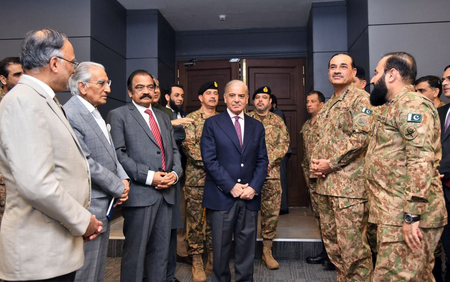
Pakistan’s governance issues are highlighted amidst the Middle East crisis, showcasing its reliance on coercive power due to economic instability and weak institutions. This structural imbalance impacts both domestic and foreign affairs, portraying Pakistan more as a security state than a multifaceted diplomatic entity.
The country’s attempts to strengthen ties with the US, including offering rare earth deals in Balochistan and joining the ‘Board of Peace,’ faced a setback post US-Israel strikes on Iran. Experts note Pakistan’s diplomatic standing in the Middle East is now in disarray, with its inability to claim moral high ground evident in the current conflict.
With a significant Shia population and a border with Iran, Pakistan’s internal dynamics were deeply affected by the assassination of Iranian Supreme Leader Ali Khamenei. The subsequent protests and the threat of conflicts spilling over into Pakistan’s streets underscore the delicate balance the nation maintains in the region.
Pakistan’s governance approach leans towards security measures over political solutions, evident in its responses to internal tensions and external conflicts. The country’s foreign policy dilemmas, navigating relationships with Saudi Arabia, Iran, and China, have led to a diplomatic strategy marked by uncertainty rather than leadership.
The country’s economic fragility limits its diplomatic maneuverability, relying heavily on financial aid from Gulf States and the IMF. This dependency shapes Pakistan’s foreign policy decisions, often aligning with the interests of its financial backers rather than asserting its own regional influence. Pakistan’s security challenges are compounded by the potential spread of conflict, particularly in Balochistan, posing a threat to its stability.
