


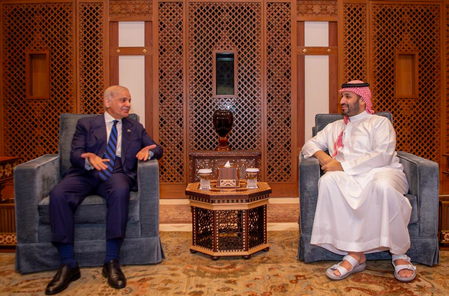
Pakistan’s handling of the West Asia conflict has raised doubts about the effectiveness of the Saudi–Pakistan Strategic Military Defence Agreement. Initially seen as a significant partnership, the agreement was meant to ensure mutual support in the face of external threats, akin to a NATO-style alliance. However, recent events involving Iran, Saudi Arabia, and Pakistan have exposed weaknesses in their ties.
Following coordinated strikes on Iranian targets by the United States and Israel, Pakistan’s lack of visible military involvement has called into question its commitment under the defence pact. Instead of backing Saudi Arabia, Pakistan has focused on its conflicts with Afghanistan, leading to concerns about its reliability as a strategic partner. This discrepancy between Pakistan’s rhetoric and actions has highlighted potential limitations in its international military partnerships.
The situation has revealed a gap between Saudi Arabia’s expectations and Pakistan’s actual contributions to regional security. While Saudi Arabia has long viewed Pakistan as a key security ally, the current crisis has shown that Pakistan’s support may be more symbolic than practical. This discrepancy could prompt Saudi Arabia to reconsider its defence partnerships in the region and explore alternative arrangements with other allies.
The Saudi–Pakistan Strategic Military Defence Agreement, once seen as a cornerstone of regional security, is now facing scrutiny due to Pakistan’s cautious approach in the current conflict. This shift in dynamics could impact Saudi Arabia’s strategic calculations in the region and raise doubts about Pakistan’s credibility in future crises. Observers suggest that Pakistan’s stance may lead other nations to question its reliability as a regional actor, potentially reshaping diplomatic dynamics in West Asia.
