


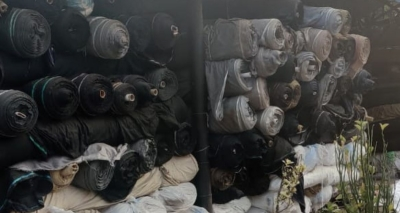
Pakistan’s textile industry, once a key driver of economic growth, is now in crisis as factories are closing due to high production costs. The sector, previously known for its export potential, is struggling with various challenges like collapsing cotton production, soaring energy costs, regional competition, and policy issues. This critical situation has led to a decline in textile exports for the fourth consecutive month, raising concerns about the industry’s future.
The Pakistan Textile Exporters Association (PTEA) has highlighted the continuous decline in textile exports, falling below the export benchmark of $19.3 billion set for FY2021. Exports have decreased from $18 billion to $17 billion and continue to drop, with a significant 6.39% decrease from July to November 2025 alone. This downward trend indicates a serious challenge for the sector’s sustainability.
Pakistan’s textile sector is losing its competitive edge to neighboring countries like Bangladesh, India, China, and Vietnam due to high energy tariffs, taxes, and financing costs. These countries have gained market share at Pakistan’s expense by offering lower production costs and more stable policies. The crisis is further compounded by the collapse of Pakistan’s cotton economy, attributed to outdated agricultural practices and poor seed quality, leading to a sharp decline in cotton production and quality.
The situation has led to the closure of over 100 spinning mills and 400 ginning factories, with national cotton output plummeting from 15 million bales to 5.5 million bales. The decline in cotton prices has adversely affected farmers, pushing them towards sugarcane cultivation and increasing Pakistan’s reliance on edible oil imports. The textile sector is facing challenges such as high taxes, pending gas dues, and amendments to export schemes, which have increased financial burdens on exporters.
Energy costs remain a major concern, with electricity tariffs expected to rise significantly by FY26, making Pakistani textiles less competitive in global markets compared to regional competitors. Exporters are also grappling with power outages, voltage fluctuations, and grid instability, which disrupt production schedules and damage machinery, exacerbating the industry’s challenges.
