


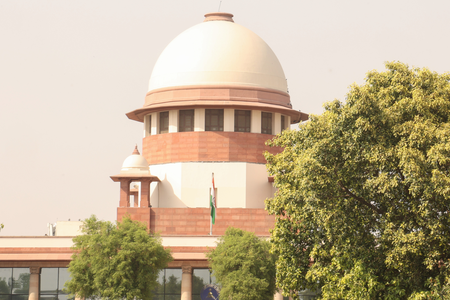
A public interest litigation has been submitted to the Supreme Court urging the formulation of a “Standard Questionnaire” and a “Special Investigation Procedure” to expedite investigations and trials of paper leak incidents nationwide. The plea, filed under Article 32 of the Constitution by advocate Ashwini Kumar Upadhyay, also calls for the assessment and seizure of properties belonging to paper leak culprits and their relatives. It emphasizes the need for invoking anti-corruption, money laundering, benami property, and black money laws in such cases.
The petition names the Union government, all states and union territories, and the Law Commission of India as respondents, highlighting the severe impact of recurring paper leaks on students and their families. It points out that the failure to prevent, investigate, and prosecute those responsible for paper leaks violates fundamental rights under the Constitution. Citing the NEET paper leak incident on May 3, 2026, the plea underscores the systemic flaws in addressing examination-related crimes and the ongoing repercussions faced by affected candidates.
The PIL underscores the financial, educational, and psychological toll on students due to paper leaks, leading to hardships, missed opportunities, mental health issues, suicides, and financial burdens. It criticizes the inadequacies in the legal framework, such as the lack of time-bound investigations and trials, absence of a Standard Investigation Procedure, failure to trace proceeds of crime, and the need for more effective measures to identify the masterminds behind such leaks.
The petition also calls for the evaluation of properties owned by perpetrators and their families, along with the application of relevant laws like the Prevention of Corruption Act, Prevention of Money Laundering Act, Benami Property Act, and Black Money Act. It proposes that sentences in paper leak cases should run consecutively to deter such offenses. Additionally, it questions the need for Supreme Court guidelines to address legal gaps and suggests reconsideration of restrictions on Deception Detection Tests in light of advancements.
