


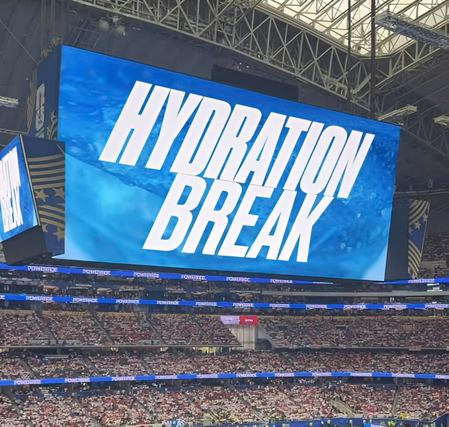
As players face high temperatures at the FIFA World Cup in North America, a key measure implemented for their well-being has sparked intense discussion. FIFA has mandated three-minute hydration breaks during each half of every match, regardless of weather conditions. This move, aimed at ensuring consistent player care and drawing from past experiences in hot conditions, has triggered mixed reactions.
Some prominent figures in football have criticized the rule, arguing that it alters the flow of matches. Uruguay head coach Marcelo Bielsa, a vocal opponent, believes these stoppages disrupt game rhythm, essentially splitting matches into four segments instead of two. He expressed concerns that the breaks detract from the sport’s original essence, which fans cherish.
Netherlands captain Virgil van Dijk has also raised questions about the policy. While acknowledging the importance of safeguarding players in extreme heat, he suggests that the necessity of breaks should be determined by prevailing conditions. On the other hand, Germany head coach Julian Nagelsmann admitted that a hydration break helped his team make crucial adjustments during a match.
Sports scientists defend the hydration breaks as a vital protective measure, even in seemingly moderate conditions. They highlight the significant fluid loss players experience through sweating, particularly in summer afternoon games. Dehydration can impact focus, decision-making, and physical performance, underscoring the importance of player well-being during matches.
Experts emphasize that the breaks serve as a preventive measure against potential emergencies. Dehydration and oppressive heat can strain players’ bodies, affecting their cardiovascular and nervous systems. Joshua DeVincenzo from Columbia University’s National Center for Disaster Preparedness views the breaks as a proactive step to mitigate health risks during intense play.
The ongoing debate over the effectiveness of the three-minute hydration breaks intensifies as football events increasingly occur in summer months in the Northern Hemisphere. While FIFA cites past instances of extreme temperatures during competitions in North America, researchers question whether the brief breaks suffice for adequate cooling and rehydration.
Studies suggest that players can benefit from lower body temperatures and enhanced comfort levels by consuming cold fluids and using cooling methods during breaks. However, the efficacy of these measures largely depends on their proper utilization. Despite potential benefits, researchers caution that the breaks may not entirely eliminate the risk of heat-related illnesses.
Some specialists propose extending the stoppages in severe heat conditions to offer players more recovery time and enhance protection. This dilemma places FIFA under pressure from various stakeholders, with players and coaches expressing concerns about the breaks’ impact on the game’s flow. Meanwhile, researchers advocate for longer breaks in extreme weather to better safeguard player health.
The conflicting viewpoints underscore the challenge faced by FIFA in balancing tradition with player welfare. As temperatures soar and football tournaments expand into warmer regions, the governing body must navigate increasing demands to prioritize player safety while preserving the essence of the sport.
