


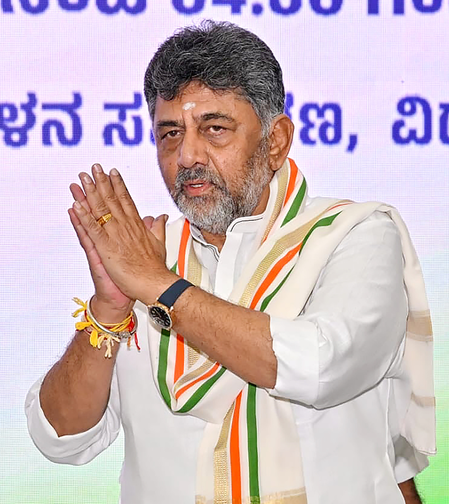
Even before the new Cabinet is formed in Karnataka under Chief Minister-designate D.K. Shivakumar, political tensions over leadership, ministerial positions, and internal factionalism within the Congress have escalated. The Opposition accuses the ruling party of being more focused on power struggles than governance. The Congress finalized D.K. Shivakumar as the next Chief Minister, ending speculation, but discussions on Cabinet formation and key appointments continue to spark debates.
Reacting to the development, BJP leader T.R. Srinivas remarked that the prolonged power struggle within the Congress has finally concluded. He extended best wishes to D.K. Shivakumar and urged him to address governance issues like urban distress, rural distress, and farmer distress. BJP Karnataka President, B.Y. Vijayendra, criticized the Karnataka government, stating that a change in leadership would not bring significant improvements in governance.
JD(U) national spokesperson Rajeev Ranjan Prasad noted that the leadership change in Karnataka reflects deeper factional tensions within the Congress. He highlighted the delay in decision-making by Rahul Gandhi, indicating ongoing factionalism within the party. The Congress Legislature Party elected D.K. Shivakumar as its new leader, paving the way for him to succeed Siddaramaiah as Chief Minister.
Attention has now shifted to the formation of the new Cabinet in Karnataka, with discussions ongoing regarding ministerial positions, deputy chief minister roles, and the appointment of a new Karnataka Pradesh Congress Committee (KPCC) chief. Senior Congress leaders, including Shivakumar and Siddaramaiah, have been in talks with the party high command in Delhi to ensure a balance in regional and political representation in the upcoming government.
