


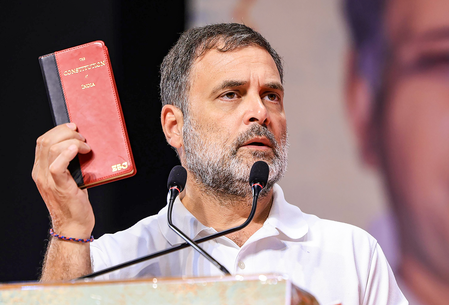
With campaigning intensifying for the April 9 Assembly elections, Rahul Gandhi, the Leader of Opposition in the Lok Sabha, connected emotionally and politically with voters in Kerala, presenting the Congress-led United Democratic Front (UDF) as a unified and citizen-focused option. Kerala is set to elect 140 new legislators on April 9. Rahul Gandhi’s ties with Kerala strengthened notably after his victories in the Wayanad Lok Sabha seat in 2019 and 2024, although he later resigned to contest from Raebareli in Uttar Pradesh as per the All India Congress Committee’s decision.
In a widely circulated social media post, Rahul Gandhi highlighted the collective power of the UDF alliance, stating, “Team UDF is Team Keralam. Each candidate embodies the voice, aspirations, and trust of the people of Keralam.” He emphasized the blend of experienced leaders and young change-makers within the alliance, individuals who comprehend the nuances of the Assembly constituencies they represent. Combining personal rapport with political communication, Rahul Gandhi reaffirmed his deep-rooted connection with Keralam, referring to it as home and its people as family, expressing gratitude for the lessons learned and the affection received.
At a critical juncture in the election campaign where the BJP-led NDA, CPI-M-led LDF, and Congress-led UDF are striving to secure voter backing, Rahul Gandhi strategically positioned the UDF for administrative change in Keralam by evoking emotional bonds and governance expectations. He framed the electoral contest as a response to public sentiments, asserting, “The message from Keralam is clear – the people are prepared for change, seeking a government that listens, comprehends, and delivers sincerely.” Looking forward, Rahul Gandhi indicated his commitment to contributing to the state’s progress alongside the forthcoming UDF government, aiming to foster a brighter future for Kerala.
Amidst high-stakes battles unfolding in Kerala’s Assembly constituencies, Rahul Gandhi’s message aims to motivate Congress supporters and reinforce the UDF’s narrative centered on unity, trustworthiness, and governance-oriented transformation.
