


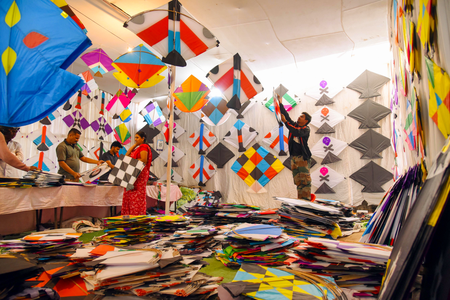
The Rajasthan Tourism Department is set to host the Kite Festival 2026 on January 14, featuring a blend of folk culture, kite flying, lanterns, and fireworks. This event aims to showcase Rajasthan’s rich cultural heritage and boost its tourism appeal globally. Chief Minister Bhajan Lal Sharma and Deputy Chief Minister Diya Kumari will grace the festival, highlighting the government’s commitment to promoting the state’s cultural legacy and tourism.
The festival, a longstanding tradition spanning over two decades, has evolved into a prominent event-based tourism attraction in Rajasthan. Scheduled from 11:00 am to 2:00 pm at the Jal Mahal embankment on Amer Road, Jaipur, the festival promises a picturesque setting with colorful kites soaring against the backdrop of Jal Mahal and the serene lake, offering a memorable experience for visitors and locals alike.
Apart from kite flying, the festival will feature cultural performances by folk artists, kite exhibitions, live kite-making demonstrations, and special displays of fancy kite flying. Attendees can also enjoy traditional cuisine, complimentary kites for foreign tourists, and camel-cart rides to enhance their visit. The evening segment will include the Lantern Festival and a fireworks display at Hawa Mahal, creating a stunning visual spectacle over the Pink City skyline as a fitting conclusion to the Kite Festival.
The Kite Festival 2026 underscores Rajasthan as not just a destination but an immersive experience, where the skies come alive with kites by day and historic monuments illuminate the night, encapsulating the spirit of celebration. This festival has garnered immense popularity over the years, attracting residents, domestic tourists, and international visitors who get to immerse themselves in Rajasthan’s vibrant culture, folk arts, and warm hospitality.
The Rajasthan Tourism Department, in collaboration with the Jaipur District Administration, Jaipur Municipal Corporation, and the Department of Archaeology and Museums, organizes this annual festival that has become a symbol of Rajasthan’s cultural richness and tourism vibrancy.
