


A concerning trend in Pakistan shows a rise in blasphemy accusations for digital offenses, termed as a “blasphemy business” by rights groups. Fabricated evidence, digitally altered screenshots, and false witness statements are being used to file police complaints, as revealed in a recent report. In a notable case, the Lahore High Court acquitted six individuals who were wrongly sentenced in a digital blasphemy case due to lack of credible evidence linking them to the alleged online content.
The court highlighted the emergence of “blasphemy businesses,” where unverified digital content is manipulated to falsely implicate individuals in serious crimes. Targeted mostly at religious minorities or low-income groups, these individuals are pressured to pay intermediaries to avoid legal action or resolve cases with complainants and clerical authorities. This shift signifies a move from random blasphemy accusations to organized entrapment operations by criminal networks seeking extortion through legal provisions.
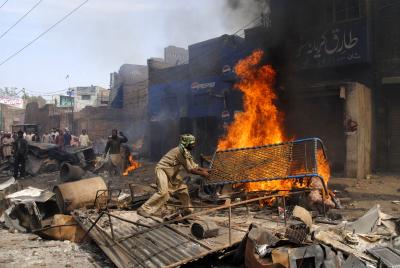
Pakistan’s stringent blasphemy laws, particularly Section 295-C of the Pakistan Penal Code, have created a hostile environment where even baseless allegations can lead to arrests, violence, or extrajudicial killings. The report disclosed that since 1994, over 100 people have been extrajudicially killed following blasphemy accusations, emphasizing the destructive impact of such allegations on lives and communities.
Rights groups and advocates have raised concerns about the involvement of individuals linked to religious factions and alleged complicity within the Federal Investigation Agency (FIA). The FIA Cyber Crime Wing has been accused of charging numerous young and vulnerable individuals with blasphemy based on social media content, illustrating the misuse of laws to target innocent citizens. One such case involved Shagufta Kiran, a Christian mother arrested for unknowingly sharing a WhatsApp message containing offensive material, leading to her unjust sentencing to death after a flawed trial process.
The case of Kiran sheds light on the criminal collusion and systemic flaws within state institutions, underscoring the vulnerability of religious minorities in Pakistan. Discrimination and societal hostility faced by Christians, Ahmadis, Hindus, Sikhs, and Shia Muslims make them easy targets for blasphemy allegations, further exacerbating their marginalization and insecurity.
