


Senior Democrats swiftly dismissed President Donald Trump’s assertions of widespread foreign interference and election vulnerabilities following his recent national address. They accused him of perpetuating falsehoods about the 2020 election and setting the stage to impact the upcoming midterm elections. Trump’s call for the declassification of intelligence, FBI, and cybersecurity records, alleging Chinese election activities and US election vulnerabilities, was met with criticism.
Democratic National Committee Chairman Ken Martin condemned Trump’s address, labeling it as reliant on discredited claims and aimed at undermining trust in American elections. He emphasized that previous US intelligence had found no direct interference by China in the 2020 election, contradicting Trump’s assertions. Democrats pledged to continue legal challenges, voter protection efforts, and nationwide organizing in preparation for the 2026 elections.
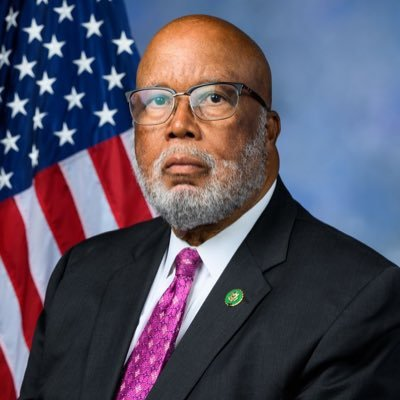
Representative Bennie Thompson of Mississippi, the leading Democrat on the House Homeland Security Committee, dismissed Trump’s speech as an attempt to revisit his defeat in the 2020 election. Thompson criticized Trump for presenting outdated and selective intelligence without providing evidence to alter previous conclusions about the election. He also highlighted the Trump administration’s termination of federal election security programs, contrasting it with Democratic support for enhancing election security measures.
Senator Mark Warner of Virginia, the Democratic vice chairman of the Senate Intelligence Committee, challenged Trump’s portrayal of the intelligence, stating that the president reiterated claims that had been thoroughly investigated and refuted by various entities. Warner emphasized that while China posed a strategic competition, intelligence agencies had consistently found no evidence of foreign governments tampering with vote totals or compromising election infrastructure during the 2020 election. Former Vice President Kamala Harris also condemned Trump’s address, asserting that the 2020 election was not stolen and accusing him of attempting to erode confidence in the electoral system ahead of the midterm elections.
The differing viewpoints highlighted the ongoing political discord surrounding election security in the United States, underscoring the deep divisions that persist nearly six years after the 2020 presidential election.
