


A debate sparked in the Lok Sabha when Samajwadi Party chief Akhilesh Yadav questioned the urgency of introducing the Women’s Reservation Bill, citing concerns over the absence of recent Census data and alleging the government’s avoidance of a caste-based enumeration. The Centre’s move to introduce the bill during the ongoing special session of Parliament marked a significant legislative development.
During the discussion, Akhilesh Yadav expressed support for women’s reservation in principle but opposed its implementation through delimitation. He accused the government of intentionally delaying the Census to sidestep demands for a caste census and an expansion of reservations. Yadav emphasized the need to prioritize the Census before rushing into women’s reservation.
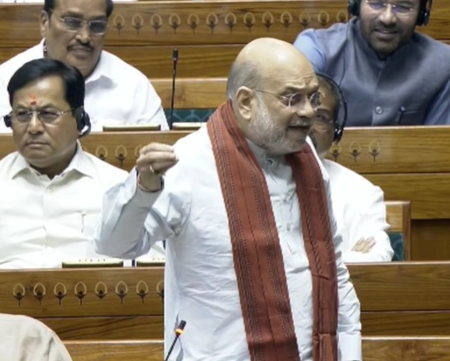
In response to the criticism, Union Home Minister Amit Shah clarified that the Census process is already underway and assured the House of conducting a caste-based Census as well. Shah dismissed allegations of deliberate delays, stating that the Census, including a caste census, would proceed as planned. He criticized the opposition, highlighting the ongoing House Listing process.
Samajwadi Party MP Dharmendra Yadav raised objections to three proposed Bills on constitutional grounds, alleging an attempt to distort the Constitution by separating delimitation from the Census process. He insisted that the Women’s Reservation Bill must incorporate provisions for Other Backward Classes and Muslim women, urging the government to withdraw the proposed Bills and enforce the law passed in 2023.
In a firm response, Shah reiterated that reservations based on religion are unconstitutional, emphasizing that any form of religious reservation, especially for Muslims, is impermissible under the Constitution. Akhilesh Yadav questioned the government on the Muslim population’s reservation status, prompting Shah to clarify that the 50% reservation cap applies universally.
The exchange intensified until Lok Sabha Speaker Om Birla intervened, advising members against engaging in direct confrontations and emphasizing the need for decorum during the proceedings.
