


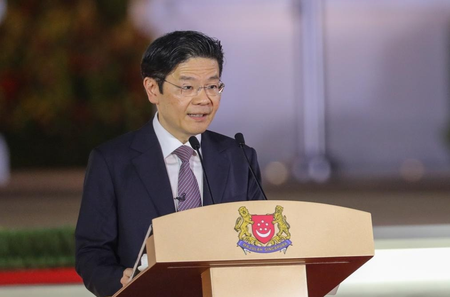
Singaporean Prime Minister Lawrence Wong cautioned that disruptions in the supply chain due to the Middle East crisis are expected to continue and could deteriorate in the coming months, potentially leading to some economies slipping into recession. Wong highlighted a global increase in inflation, starting from energy and extending to food and other essentials, with the possibility of certain economies facing recessionary pressures, including Singapore. Even if the Strait of Hormuz reopens, Wong emphasized that the crisis is unlikely to resolve quickly due to damages to infrastructure, the need for mine clearance, and the time required for confidence restoration.
The closure of the strait for over two months has already impacted prices and supply chains, particularly affecting Asia due to its heavy dependence on Gulf imports. Wong noted that some regional countries are already experiencing fuel shortages, leading to flight reductions by airlines and production delays in factories. He cautioned that the disruptions are not limited to energy, with essential items like fertilizer and food likely to face shortages in the near future, exacerbating the situation.
Additionally, Wong projected a slowdown in Singapore’s economic growth coupled with rising inflation this year, posing challenges for businesses, workers, and households. UN Secretary-General Antonio Guterres also expressed concerns over the escalating Middle East crisis, emphasizing the urgent need for dialogue and peaceful solutions to mitigate the severe impacts on energy, transportation, manufacturing, food markets, and the global economy. Guterres stressed the importance of taking measures to steer towards peace during this critical period.
