


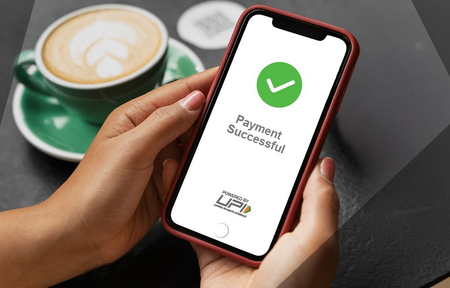
India’s Unified Payments Interface (UPI) has been commended by South African Reserve Bank Governor Lesetja Kganyago as a model for reducing cash usage in Pretoria, according to a report. Kganyago highlighted UPI as an instant, cost-effective payment solution that utilizes simple tools like cellphone numbers or QR codes instead of expensive point-of-sale terminals. The South African government recognizes the shift towards integrated systems for delivering various services, following India’s lead.
UPI has significantly contributed to India’s payment landscape, facilitating almost half of the world’s real-time transactions. South Africa aims to establish a free, real-time national payment system to promote digital transactions, aligning itself with other developing economies transitioning to cashless economies. The country’s prepaid card and digital wallet market is projected to grow from $11.8 billion in 2024 to $21.2 billion by 2029.
Challenges faced by South Africa include a significant portion of adults being unbanked or underbanked, limited rural internet access, and high mobile data costs relative to income. Moreover, the country grapples with frequent power outages, raising concerns about the reliability of digital systems. Kganyago emphasized the adverse impact of cash reliance on women managing family finances, underscoring the societal benefits of transitioning towards digital payments.
India’s UPI success story has garnered global recognition, transforming the nation into a leading real-time digital payments ecosystem. The system has expanded internationally through partnerships led by NPCI International Payments Limited (NIPL) to countries like Singapore, UAE, Mauritius, and France. Additionally, Nepal and Bhutan have already adopted UPI, with discussions underway with central banks and fintech firms across Asia, Africa, and Europe.
