


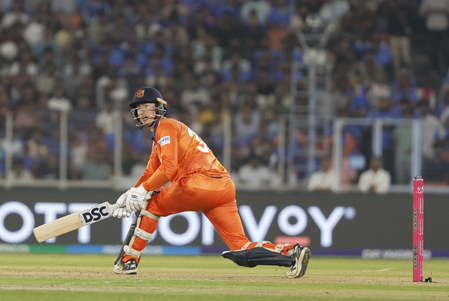
Netherlands captain Scott Edwards has expressed disapproval of the ICC’s recent move to change the format of the 2027 Men’s ODI World Cup. He believes that these sudden alterations negatively impact the global growth of cricket, making it tougher for Associate nations to compete with the top teams. The decision includes introducing a preliminary qualifying stage for the three lowest-ranked teams in the 14-team competition, sparking criticism for reducing opportunities for Associate sides to play against elite cricketing nations.
In a statement released by the World Cricketers Association (WCA) on Friday, Edwards emphasized the significance of qualifying for an ODI World Cup for any country. He stated that altering such a long-planned opportunity is disappointing and hampers the chances of Associate nations to face the best teams globally. Edwards stressed that creating more opportunities on the global stage is essential for enhancing the sport’s global reach and nurturing future talent.
Namibia skipper Gerhard Erasmus echoed Edwards’ sentiments, underlining the emotional and professional importance attached to participating in global tournaments for emerging nations. He highlighted that for many countries, the ODI World Cup holds immense value, shaping careers and inspiring generations of players. Erasmus emphasized the need for qualification processes to offer a genuine chance to compete on the grandest stage, citing a history of limited opportunities at the Associate level.
Drawing parallels with other global sports, Ireland opener Paul Stirling urged cricket administrators to recognize the value that smaller nations bring to major tournaments. Stirling pointed out that smaller and Associate countries consistently contribute value and interest to global events, similar to what was witnessed in the recent football World Cup. He advocated for cricket to adopt a similar approach to maximize opportunities for the game and its participants.
Scotland captain Richie Berrington raised concerns about the lack of prior communication from the ICC regarding the format changes. He called for structural reforms in decision-making processes, emphasizing the importance of respecting player voices in such significant game-altering choices. Berrington stressed that involving diverse perspectives in decision-making leads to better outcomes and urged the cricketing community to prioritize meaningful consultation with players.
USA left-arm spin bowling all-rounder Harmeet Singh highlighted the broader implications of the ICC’s sudden format adjustment, emphasizing the extensive preparations that countries and players undertake for events like the ODI World Cup. Singh noted that such opportunities hold immense value, not just for the players and countries involved but also for expanding the game in emerging regions and engaging fans. He emphasized that decisions like these have far-reaching impacts beyond a single tournament.
New Zealand’s senior batting all-rounder Daryl Mitchell lent strong support to the concerns raised by Associate nations. He emphasized the importance of providing consistent and fair opportunities to players and countries worldwide to access and compete on cricket’s grandest stages, advocating for a level playing field for all participants.
