
Close Menu
  • Indian Festivals 2026
  • Movie & OTT Releases This Week
  • News
  • Entertainment
  • NRI Life
  • Research
  • Advertise with us
Facebook X (Twitter) Instagram YouTube
  • Download Indian Community App
  • Advertise Here
Facebook X (Twitter) Instagram
Indian CommunityIndian Community
Trending
  • Terror (2026) Kannada Movie Review: Dushyanth Adithya Delivers a Gripping Patriotic Action Thriller
  • Toh Ti Ani Fuji Review: A Quietly Devastating Love Story That Lingers Long After It Ends
  • The Trap (2026) Review: A Gripping Marathi Psychological Thriller That Pulls You Into Its Dark Web
  • TN 2026 Movie Review: A Politically Charged Tamil Satire That Demands Attention
  • Manithan Deivamagalam Movie Review: A Heartfelt Rural Drama Rooted in Courage and Community
  • Mohiniyattam (2026) Review: A Superior Sequel That Nails the Dark Comedy Transition
  • LIK: Love Insurance Kompany Review — When the Heart Knows Better Than the Algorithm
  • Kaakee Circus Review: A Charming Cop Comedy Bursting with Heart and Humour
  • Indian Festivals 2026
  • News
    • National
    • International
    • Entertainment
    • Achievements
    • Scam Alerts
    • Business
    • Health & Medicine
    • Science & Technology
    • Sports
  • Entertainment
  • Latest Movie Releases
    • Latest OTT Releases
  • NRI Life
  • India & Culture
  • Health & Wellness
  • Research
Indian CommunityIndian Community
Home » News » International
International

South Korea Implements Judicial Reforms Including Constitutional Appeals and Punishments for Legal Distortion

Indian Community Editorial TeamBy Indian Community Editorial TeamMarch 11, 20262 Mins ReadNo Comments Add us to Google Preferred Sources
South Korea Implements Judicial Reforms Including Constitutional Appeals and Punishments for Legal Distortion
Share
Facebook Twitter LinkedIn Pinterest Email

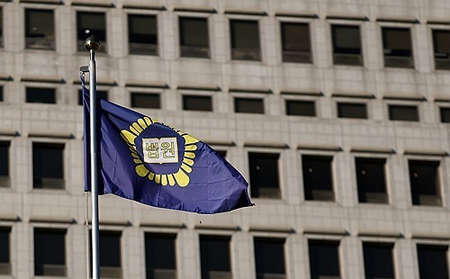
A new set of judicial reform laws has been officially announced in South Korea, allowing for constitutional appeals of Supreme Court rulings, penalties for judges who deliberately distort legal principles, and an expansion of the top court. These reforms represent the most significant changes to the country’s judiciary system since a constitutional amendment back in 1987. The bills were passed by the National Assembly, led by the ruling Democratic Party, despite objections from the main opposition People Power Party and the judiciary, citing concerns about potential threats to judicial independence.

The laws related to constitutional appeals and penalties for “legal distortion” will be immediately enforceable, while the increase in the number of Supreme Court justices will be phased in starting from 2028. Individuals can now lodge constitutional complaints against finalized rulings if they are deemed to contravene Constitutional Court decisions, lack due process, or violate fundamental rights with clear constitutional breaches. Complaints must be submitted within 30 days of a final ruling.

Under the amended Constitutional Court Act, if a court ruling is found to violate the Constitution, the case must be re-examined. Despite criticism that these changes may conflict with the country’s three-instance trial structure, the Constitutional Court asserts that it is conducting constitutional reviews. The court has already received its first petition challenging a court’s decision to dismiss a deportation order cancellation request from a Syrian national, among other complaints.

Judges, prosecutors, or individuals involved in investigations can now face up to 10 years in prison for distorting legal principles with the intent to harm others under the offense of “legal distortion.” The ruling party believes this legislation will deter judicial or prosecutorial misconduct aimed at influencing case outcomes. However, the judiciary has expressed concerns that this new offense could lead to a fear-driven adherence to precedent and hinder the delivery of progressive rulings.

As part of the reforms, the number of Supreme Court justices will rise from 14 to 26 over a three-year period starting in March 2028. While this adjustment aims to tackle case backlogs at the top court, questions have been raised about the potential impact on internal deliberations within the expanded court. A closed-door meeting of court leaders from across the country is set to commence to discuss these reform measures, with Supreme Court Chief Justice Cho Hee-dae, who has criticized the reforms, expected to participate.

Cho Hee-dae Constitutional Appeals Constitutional Court Court Organization Act Democratic Party judicial reform Legal Distortion National Assembly People Power Party South Korea Supreme Court
Add us to Google Preferred Sources
Indian Community Editorial Team

The Indian Community Editorial Team curates, verifies, and publishes stories that matter to Indians worldwide. From culture and community to business and innovation, our mission is to spotlight voices, ideas, and events that bring our global community closer together. Have news or a story to share? Submit it to us at [email protected].

Add A Comment

Mona Singh Embraces New Career Opportunities with Gratitude

April 17, 2026

Actor Mihir Ahuja Shares Fond Memories of Watching Mona Singh in “Jassi Jaissi Koi Nahin”

April 17, 2026

Actress Sara Arjun Expresses Gratitude to Father Raj Arjun in Heartfelt Note

April 17, 2026

Akshay Kumar Appreciates Homemakers on Mumbai Special of Wheel of Fortune

April 17, 2026
  • Facebook
  • Twitter
  • Pinterest
  • Instagram
About Us
  • About Us
  • Contact Us
  • Terms of Service
Corporate
  • Download Indian Community App
  • Advertise Here
Facebook X (Twitter) Instagram
  • About Us
  • Contact Us
  • Terms of Service
© 2026 Designed by CreativeMerchants.

Type above and press Enter to search. Press Esc to cancel.