


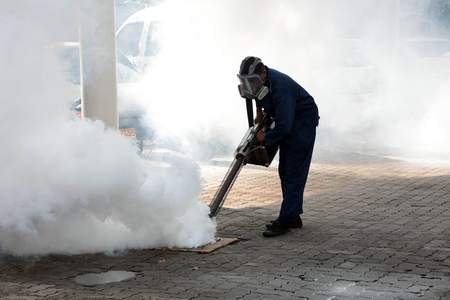
Sri Lanka has confirmed a total of 61,060 dengue cases this year, with 2,604 new infections recorded in the past 24 hours, as per the National Dengue Control Unit (NDCU). The Western Province is the epicenter of the outbreak, contributing 52.5% of the national total with 32,054 cases. Other affected provinces include the Southern Province with 9,674 cases, Sabaragamuwa with 5,237, Central with 4,823, Eastern with 2,979, and North Western with 2,778 cases, according to Xinhua news agency.
The NDCU has identified 142 high-risk dengue zones across the country, with June marking the highest monthly case count this year at 21,546 infections. Hospitals in the Western Province are facing capacity challenges due to the surge in dengue patients, leading to increased strain on healthcare services, stated Acting Director Dr. Kapila Kannangara.
To address the situation, authorities have devised a three-phase strategy encompassing short-term, medium-term, and long-term measures. However, immediate short-term interventions are being prioritized to alleviate the burden on hospitals and mitigate the potential rise in fatalities if infections persist.
In response to the emergence of a new dengue virus strain in Sri Lanka, Deputy Minister of Health Hansaka Wijemuni highlighted an elevated transmission risk. A nationwide prevention program has been initiated to curb mosquito breeding and lower infection rates. Wijemuni emphasized that the altered virus strain poses a higher threat as many individuals in Sri Lanka may lack immunity against it, heightening susceptibility to infection.
Health authorities had foreseen a seasonal uptick in dengue cases and had readied contingency plans. The government’s focus is on reducing mosquito populations and ensuring prompt medical attention for patients to prevent worsening conditions. Wijemuni urged public cooperation in eliminating mosquito breeding sites and supporting prevention initiatives, emphasizing the collective responsibility in containing the virus spread.
