


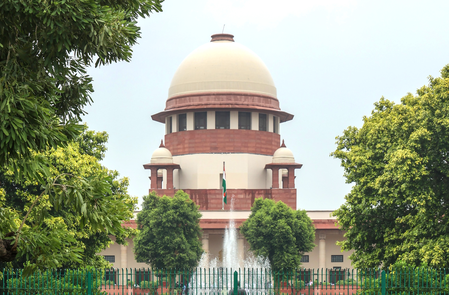
The Supreme Court clarified that failing to file additional copies of a charge sheet under the Bharatiya Nagarik Suraksha Sanhita (BNSS) does not grant an accused default bail if the charge sheet was submitted within the required timeframe. The court emphasized that default bail is only applicable when the charge sheet is not filed within the specified 60 or 90 days, not due to delayed supply of copies. In a case involving cyber fraud, the court dismissed an appeal where the accused sought default bail, stating that non-compliance with providing extra copies of the police report does not reinstate the right to statutory bail.
The bench led by Justices Sanjay Karol and NK Singh highlighted that mere non-submission of additional charge sheet copies does not warrant default bail. Once a charge sheet meeting BNSS criteria is filed within the stipulated period, the entitlement to default bail ends. The appellant’s argument that delayed submission of copies entitled him to default bail was rejected by the court. It noted that the BNSS default bail provisions are akin to those in the Code of Criminal Procedure, with the additional requirement of furnishing extra police report copies.
The Supreme Court stressed that the procedural obligation of providing additional copies should not be confused with filing the charge sheet itself for default bail claims. Even if all supporting documents are not submitted simultaneously with the charge sheet, it does not invalidate the report, barring the accused from claiming statutory bail on those grounds. The court reiterated that default bail is a fundamental right under Article 21 of the Constitution, available until the charge sheet is filed within the specified period.
The judgment affirmed that the appellant can pursue regular bail independently based on its merits, separate from the observations made in the current ruling.
