


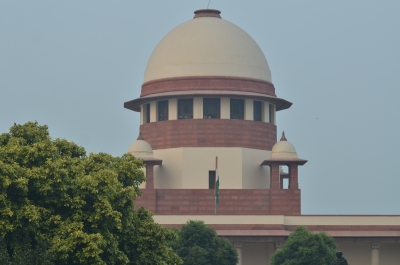
The Supreme Court has expressed serious concern over a trial court allegedly using Artificial Intelligence (AI)-generated “non-existent and fake” judgments in a civil dispute. The apex court emphasized that such actions could impact the integrity of the adjudicatory process and might be considered misconduct. Justices P.S. Narasimha and Alok Aradhe highlighted the institutional worry regarding the process of adjudication rather than the case’s outcome.
The case involved a special leave petition challenging a judgment from the Andhra Pradesh High Court that upheld a trial court’s decision in a property dispute related to an injunction suit. The defendants in the suit for injunction filed the petition before the Supreme Court against the respondents. The trial court, during the suit, appointed an Advocate Commissioner to document the property’s physical aspects. Despite objections from the defendants, the trial court dismissed their objections based on various Supreme Court precedents.
The petitioners argued before the Andhra Pradesh High Court that the judgments referenced by the trial court were fabricated by AI. Although the High Court cautioned about the AI-generated decisions, it proceeded to rule on the case’s merits and rejected the civil revision petition. The Supreme Court, acknowledging the issue, expressed worry about the trial court’s reliance on such “non-existent and fake” judgments in the judicial process. The apex court stated that decisions based on such fabricated judgments are not mere errors but could constitute misconduct, leading to legal consequences.
Issuing a notice returnable on March 10, the Supreme Court directed the trial court to halt proceedings based on the Advocate Commissioner’s Report until the special leave petition is resolved. Additionally, the Supreme Court summoned the Attorney General, the Solicitor General, and the Bar Council of India, appointing senior advocate Shyam Divan to assist in the matter. The proceedings are scheduled for March 10.
