


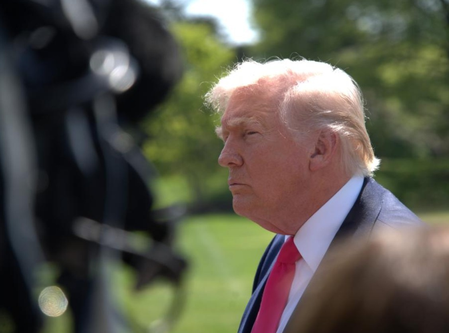
US President Donald Trump has decided to extend the ceasefire with Iran and maintain a naval blockade until a unified proposal is presented by Tehran for talks to progress. Trump, following a request from Pakistan’s leadership and noting internal divisions in Iran’s government, directed the military to uphold the blockade. The ceasefire extension was announced just before the deadline, casting uncertainty over the upcoming peace negotiations.
Vice President JD Vance canceled plans to visit Islamabad for the next round of discussions with Iran, as Washington seeks clarity from Tehran. Iran, which has not confirmed its participation in the talks, insists on the US lifting the blockade as a prerequisite for resuming negotiations. Iranian Foreign Minister Abbas Araghchi criticized the US for blockading Iranian ports, labeling it an act of war and a ceasefire violation.
Pakistan, acting as a mediator, appreciated the ceasefire extension, with Prime Minister Shehbaz Sharif thanking Trump for accommodating the diplomatic process. Despite the ceasefire prolongation, tensions persist, with Trump emphasizing that military action remains an option if talks fail. The US has enforced a maritime blockade targeting Iranian ports and oil shipments, redirecting numerous vessels since the blockade’s initiation on April 13.
Iran has retaliated with threats of escalation, vowing not to reopen the Strait of Hormuz while the blockade persists and considering breaking it by force if necessary. The diplomatic impasse has left both sides at a standstill, with the ceasefire prolonged but no clear roadmap for negotiations. The conflict, originating on February 28, has disrupted global energy markets, particularly due to tensions surrounding the vital Strait of Hormuz, a crucial passage for oil transport.
