


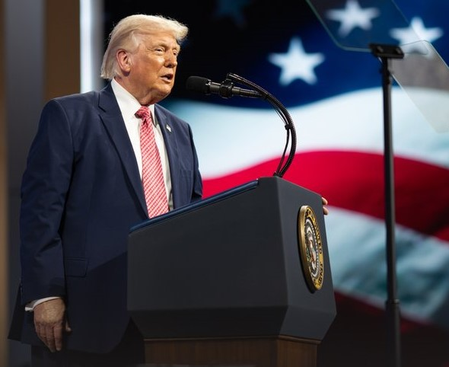
US President Donald Trump mentioned the potential for a second round of discussions with Iran in the next two days, indicating a chance for diplomatic engagement despite ongoing US actions like a naval blockade targeting Iranian-related shipping. Trump, speaking to The New York Post, suggested that talks could occur soon, with Pakistan being considered as a potential location. While an earlier round of negotiations did not result in a breakthrough, Trump indicated a shift from initial plans involving Europe to a possible focus on Pakistan.
The diplomatic efforts coincide with escalating tensions in the Gulf region. US Central Command reported no ships departing Iranian ports passed through the blockade within the initial 24 hours. However, data on shipping movements presented a varied scenario, with some Iran-linked vessels observed traversing the Strait of Hormuz post-blockade initiation, although certain ships altered course upon entering open waters. Notably, over 20 non-Iranian commercial ships, including tankers and cargo vessels, navigated the strait during the same period, suggesting uninterrupted traffic flow through the strategic waterway.
Vice President JD Vance emphasized Washington’s pursuit of a comprehensive agreement with Tehran, aiming for Iran’s economic prosperity under the condition of refraining from nuclear weapon development. Concurrently, diplomatic activities are unfolding in the region, with Israel and Lebanon agreeing to commence direct negotiations following rare in-person discussions in Washington. This move is perceived as part of broader initiatives to de-escalate tensions associated with the Iran conflict.
The United Nations has advocated for sustained engagement, with Secretary-General António Guterres anticipating the resumption of talks between the US and Iran while emphasizing the importance of continuous diplomatic endeavors. The market responded swiftly to the prospect of renewed negotiations, with US crude futures witnessing a nearly 8% decline to a multi-week low, reflecting optimism for reduced tensions and stabilized energy supply chains. Nevertheless, uncertainties persist regarding the blockade and its enforcement, given the critical role of the Strait of Hormuz in global oil transport.
The longstanding US-Iran standoff, rooted in Tehran’s nuclear ambitions and regional influence, has seen repeated setbacks in attempts to limit Iran’s nuclear pursuits in exchange for sanctions relief. Historical disruptions in the Strait of Hormuz have historically triggered oil price fluctuations and raised concerns about global energy security, underscoring the strategic significance of the waterway in energy markets.
