


A recent UNESCO report raised concerns about the severe disruption of education in Arab states due to escalating regional conflicts, impacting over 100 million children and pushing fragile systems towards collapse. The crisis has affected education in 15 countries, disrupting learning for 52 million school-age children through closures, reduced access, or shifts to remote learning. Lebanon and the Gaza Strip have been particularly hard hit, with significant damage to schools and a large number of children out of school.
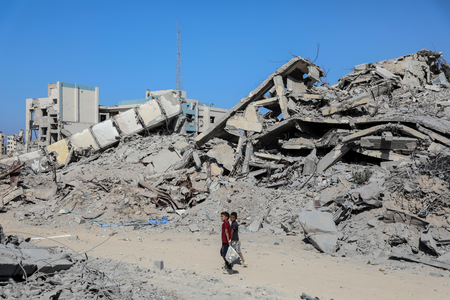
The report highlighted the near-total collapse of the education system in the Gaza Strip, where 97.5% of schools are damaged or destroyed, leaving over 637,000 children out of school. In Lebanon, more than 1,100 public schools are being used as shelters, and around 570 schools are closed or located in conflict zones, affecting over 240,000 students. Across the region, emergency and hybrid education models have been adopted, leading to unequal access and quality, along with rising psychological distress among students.
The impact of the crisis extends beyond frontline areas, with Syria facing challenges due to an influx of returnees from Lebanon, further straining an already fragile education system. In Iraq, approximately 7,500 schools serving two million learners have shifted to online learning, while Gulf countries have implemented temporary closures and remote education as precautionary measures. UNESCO emphasized the urgent need for intervention to prevent irreversible human capital loss and ensure continuity of learning to avoid a potential “lost generation” of learners.
UNESCO is increasing its emergency response efforts by providing temporary learning spaces, digital platforms, and psychosocial support. The agency also called for sustained international aid to support learning continuity and the rebuilding of resilient education systems in the region.
