


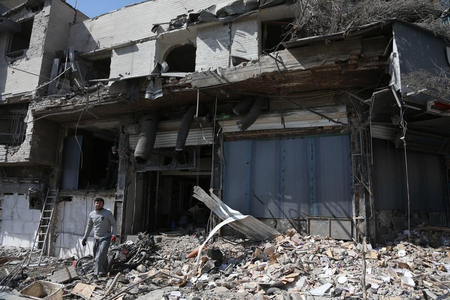
The United Nations High Commissioner for Refugees (UNHCR) spokesperson highlighted the significant impact of the Middle East crisis on global humanitarian supply chains. The heightened insecurity in key Gulf routes like the Strait of Hormuz has disrupted maritime traffic, leading to increased costs and delays in aid delivery. These challenges disproportionately affect vulnerable populations, including refugees and displaced individuals, while also hampering the efficiency of aid agencies.
The closure of vital maritime routes has compelled the use of longer and more costly alternatives, resulting in extended transit times and operational complexities. Freight rates from key sourcing countries have surged by almost 18% since the conflict began, while UNHCR’s global transport providers’ capacity has decreased from 97% to 77% this year. The spokesperson noted that transport costs for relief items from Dubai to operations in Sudan and Chad have more than doubled for some shipments.
Expressing particular concern for Africa, the spokesperson emphasized the impact of the crisis on the continent, which hosts multiple displacement crises. In Kenya, a recent 15% fuel price hike led to delays and reduced truck availability for shipments to Ethiopia, the Democratic Republic of the Congo, and South Sudan. Similarly, in Sudan, aid delivery costs have doubled, and rerouting shipments around the Cape of Good Hope has added up to 25 days to delivery times. The UNHCR spokesperson warned that continued instability in the Middle East could further constrain humanitarian operations globally.
