


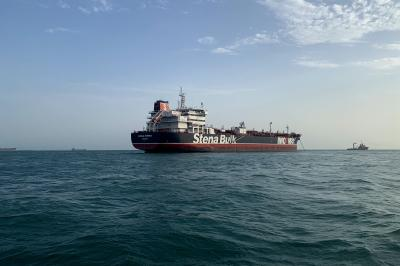
The United States has granted a short-term authorization for the sale of Iranian oil stranded at sea, aiming to enhance global supply while exerting pressure on Tehran. Treasury Secretary Scott Bessent highlighted that this move is intended to stabilize energy markets amidst ongoing conflicts and supply disruptions. The authorization, effective until April 19, applies solely to crude oil already loaded on vessels by March 20.
The Treasury’s decision temporarily lifts sanctions on the oil stranded at sea, allowing its sale to most countries. This action is expected to introduce around 140 million barrels of oil into global markets, alleviating recent supply pressures. Notably, the authorization does not enable new purchases or additional production, and excludes transactions involving certain sanctioned jurisdictions.
Scott Bessent emphasized that this measure will not financially benefit Iran, as the country will face challenges in accessing any revenue generated. The United States aims to maintain maximum pressure on Iran and its international financial system access. The move is part of a broader strategy to combat global terrorism, with the administration leveraging economic and military power to enhance global energy flow and market stability.
Analysts have raised doubts about the impact of this decision on prices and supply. While some believe that the already at-sea crude has been accounted for, others question the feasibility of importing Iranian oil due to existing commitments and financing challenges. Despite the uncertainties, countries like Malaysia, Singapore, Indonesia, Japan, and India are expected to benefit from the additional oil supply.
The US, which does not import Iranian crude itself, seeks to ease market pressure by allowing the flow of already-loaded Iranian oil into global markets. This move comes as oil prices surge, and the administration aims to counter Iran’s influence in the Strait of Hormuz by increasing oil supply. Bessent noted that the US has recently introduced hundreds of millions of barrels into the market to address these challenges.
