


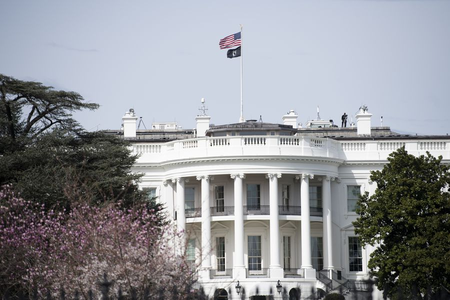
The White House has stated that the United States anticipates India to honor the tariff reduction pledges made under President Donald Trump’s trade deal. Describing the agreement as a significant victory for American farmers, workers, and industries, a White House official emphasized the benefits it brings to these sectors. While acknowledging the positive impact on US agriculture and manufacturing, the administration highlighted the need for close monitoring of the agreement’s implementation.
The Trump administration emphasized the importance of addressing both tariff and non-tariff barriers that India has committed to reducing. It underscored the necessity for tangible actions to follow the agreement’s provisions, reflecting the administration’s stance on trade enforcement. President Trump’s economic policy has consistently prioritized holding trading partners accountable for fulfilling their commitments.
Although specific details regarding the affected tariff lines or sectors were not disclosed by the White House, concerns have been raised by US farm groups regarding India’s historically high agricultural duties hindering American exports. Additionally, industry representatives have pointed out non-tariff obstacles such as regulatory standards and certification rules as impediments to broader market access.
Highlighting India’s strategic importance in South Asia and the western Indo-Pacific, senior US officials have emphasized trade, technology collaboration, and supply chain resilience as fundamental aspects of the bilateral partnership. The United States stands as one of India’s major trading allies, with consistent growth in bilateral goods and services trade over the past decade. Despite occasional disputes over tariffs and market entry, both nations have maintained structured dialogues to enhance commercial ties while managing trade tensions.
