


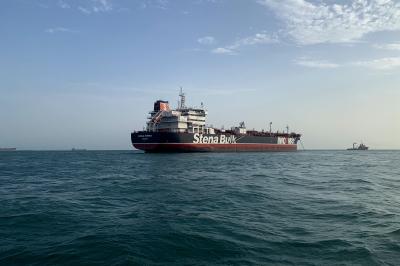
The ongoing US-Iran standoff in the Strait of Hormuz has caused a crisis, leaving thousands of commercial vessels stranded. More than 22,500 mariners on over 1,550 ships are currently unable to pass through the region due to Iranian attacks and threats to shipping. The strait, a vital waterway carrying about one-fifth of global oil consumption, is now a major concern for global trade and energy security.
The situation has led to a backlog of tankers and cargo ships, raising worries about delays in oil deliveries and supply chain disruptions. Shipping companies and insurers are reevaluating risks, potentially leading to increased freight costs and insurance premiums. US officials have accused Iran of harassing vessels and weaponizing the strait, calling it a form of international extortion.
In response, the US has initiated “Project Freedom” to ensure the flow of commerce, with naval and air assets escorting ships through the strait. American destroyers have escorted two US-flagged commercial vessels through the passage, signaling the safety of the route for other ships. Iran’s actions, including threats and attacks on commercial shipping, have raised concerns about the impact on global trade and the economy.
US military efforts involve deploying personnel, warships, helicopters, and aircraft to secure a transit corridor and protect shipping lanes in the strait. Despite recent tensions and exchanges of fire, US officials emphasize that the mission is defensive, aimed at safeguarding freedom of navigation. The crisis poses challenges for countries like India, heavily reliant on Gulf oil imports, as prolonged disruptions could lead to higher oil prices and increased inflationary pressures.
The Strait of Hormuz, historically a geopolitical hotspot, is currently facing heightened tensions following recent conflicts and a fragile ceasefire. The region’s significance in global trade and energy markets underscores the urgency of resolving the standoff to ensure stability and security for all nations involved.
