
Close Menu
  • Indian Festivals 2026
  • Movie & OTT Releases This Week
  • News
  • Entertainment
  • NRI Life
  • Research
  • Advertise with us
Facebook X (Twitter) Instagram YouTube
  • Download Indian Community App
  • Advertise Here
Facebook X (Twitter) Instagram
Indian CommunityIndian Community
Trending
  • Alvida: The Last Goodbye Review — A Haunting Farewell That Lingers Long After the Credits
  • Elra Kaaleliyatte Kaala Review: A Soulful Ode to Timelessness That Charms Despite Its Flaws
  • Sugriva Movie Review (2026): A Gripping Emotional Thriller That Hits Hard
  • Licence Review (2026): Masoom Sharma Delivers a Gripping Haryanvi Crime Drama
  • Bhagubai (2026) Review: Nirmiti Sawant Shines in This Heartfelt Marathi Village Drama
  • Ginny Wedss Sunny 2 Review (2026): A Warm and Relatable Ride Through the Chaos of Arranged Marriage
  • Jerax Review (2026): Nagabhushan’s Supernatural Thriller Is a Wildly Entertaining Ride
  • Battle (2026) Movie Review — Tamil Rap Drama Finds Its Rhythm in Flashes
  • Indian Festivals 2026
  • News
    • National
    • International
    • Entertainment
    • Achievements
    • Scam Alerts
    • Business
    • Health & Medicine
    • Science & Technology
    • Sports
  • Entertainment
  • Latest Movie Releases
    • Latest OTT Releases
  • NRI Life
  • India & Culture
  • Health & Wellness
  • Research
Indian CommunityIndian Community
Home » News » International
International

US Lawmakers and Military Leaders Emphasize Cyber Threats in Modern Warfare

Indian Community Editorial TeamBy Indian Community Editorial TeamApril 28, 20262 Mins ReadNo Comments Add us to Google Preferred Sources
US Lawmakers and Military Leaders Emphasize Cyber Threats in Modern Warfare
Share
Facebook Twitter LinkedIn Pinterest Email

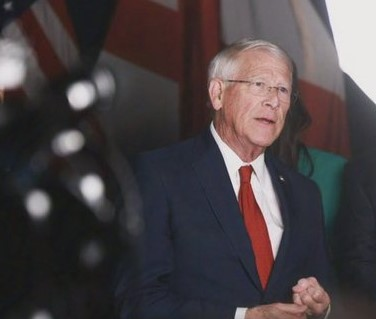
The United States’ cyber and special operations forces are now crucial in modern warfare, with lawmakers and military officials highlighting the immediate and escalating cyber threats. Senator Roger Wicker described recent missions as a significant moment for American military power, emphasizing the integration of cyber capabilities into military planning. Senator Jack Reed noted the deep involvement of special operations and cyber forces in the ongoing conflict with Iran, highlighting their roles in combat operations, information warfare, and intelligence support.

Defence officials emphasized the fusion of cyber and physical operations in the evolving nature of warfare. Katherine Sutton, Assistant Secretary of Defense for cyber policy, warned about adversaries pre-positioning disruptive capabilities within the US critical infrastructure. She highlighted the shift towards disrupting military deployments and creating chaos during crises. Artificial intelligence was identified as a key factor accelerating this shift, enhancing the speed, scale, and sophistication of cyber attacks.

General Joshua Rudd, head of Cyber Command, reported a significant increase in cyber missions, with over 8,000 missions conducted in 2025. He stressed the integration of cyber operations into joint military actions, citing examples like Absolute Resolve and Epic Fury as successful instances of combined cyber and kinetic operations. Special operations leaders acknowledged the heavy deployment of forces across multiple theatres, emphasizing the need to manage threats from various sources simultaneously.

Admiral Frank Bradley highlighted the challenge of managing threats from China, Russia, Iran, terrorism, and criminal networks concurrently. He noted the high demand for special operations forces and the necessity to address strain on personnel and resources. Lawmakers raised concerns about the sustainability of high operational tempo and the need for recruitment and retention improvements in cyber forces. The Pentagon’s “Cybercom 2.0” initiative aims to enhance cyber personnel recruitment, training, and retention to address existing gaps.

US lawmakers stressed the importance of maintaining technological superiority, particularly in artificial intelligence and advanced cyber capabilities, to avoid losing the competitive edge. The hearing also addressed concerns regarding election security, critical infrastructure vulnerabilities, and the role of allies in countering global threats.

Admiral Frank Bradley Artificial Intelligence Cyber Command Cybercom 2.0 Election security General Joshua Rudd Iran Katherine Sutton Pentagon Special Operations Command United States US lawmakers
Add us to Google Preferred Sources
Indian Community Editorial Team

The Indian Community Editorial Team curates, verifies, and publishes stories that matter to Indians worldwide. From culture and community to business and innovation, our mission is to spotlight voices, ideas, and events that bring our global community closer together. Have news or a story to share? Submit it to us at [email protected].

Related Posts

U.S.-India Trade War: What Happens if a 500% Tariff is Imposed?

How Can Businesses Evaluate AI ROI Beyond Traditional Metrics? Strategies Most Companies Still Overlook

Add A Comment

King Charles III Urges US-UK Alliance Adaptation Amid Global Challenges

April 28, 2026

US Lawmakers and Military Leaders Emphasize Cyber Threats in Modern Warfare

April 28, 2026

Trump and King Charles III Exchange Historic Gifts at White House

April 28, 2026

India Condemns Attacks on Shipping in Strait of Hormuz

April 28, 2026
  • Facebook
  • Twitter
  • Pinterest
  • Instagram
About Us
  • About Us
  • Contact Us
  • Terms of Service
Corporate
  • Download Indian Community App
  • Advertise Here
Facebook X (Twitter) Instagram
  • About Us
  • Contact Us
  • Terms of Service
© 2026 Designed by CreativeMerchants.

Type above and press Enter to search. Press Esc to cancel.