


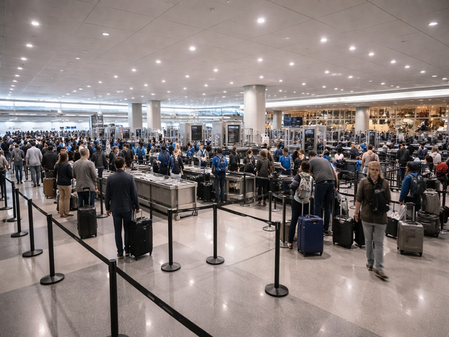
US lawmakers have raised worries about the potential overlap between routine domestic air travel and immigration enforcement, causing unease among immigrant communities, including visa holders and international students. The concerns were highlighted during a House Homeland Security Committee hearing on airport security and cybersecurity oversight. Transportation Security Administration Acting Administrator Ha Nguyen McNeill clarified that while TSA shares some information with the Department of Homeland Security to enhance national security, it does not routinely transfer passenger lists to Immigration and Customs Enforcement for immigration enforcement purposes. McNeill emphasized that TSA officers are primarily focused on aviation security and are not immigration agents.
Several Democratic lawmakers expressed concerns about the lack of transparency in inter-agency data sharing, leading to increased anxiety among immigrants. They cautioned that immigrants, even those traveling lawfully within the US, may fear secondary screening, questioning, or referral. Lawmakers noted that such fears could deter people from flying, impacting their work, education, and family travel arrangements. This issue is particularly significant for Indian nationals, a prominent immigrant group in the US, including professionals, students, and families with varying immigration statuses, who heavily rely on domestic air travel for various purposes.
Lawmakers highlighted that the heightened enforcement language and visible immigration operations have heightened fear within immigrant communities, emphasizing the importance of distinguishing airport security from immigration enforcement. Civil liberties advocates warned that blurred lines between agencies could erode trust in public institutions. McNeill reiterated that TSA’s role is confined to transportation security and that it operates within statutory boundaries when sharing information within DHS for security purposes. Despite assurances from McNeill, lawmakers stressed the need for clearer regulations, written guidelines, and enhanced oversight to ensure transparency and protect individuals’ rights. Members of Congress announced plans to request detailed clarification from DHS regarding the information shared, the legal basis for sharing, and the safeguards in place, amid concerns over the potential chilling effect on lawful domestic travel.
