


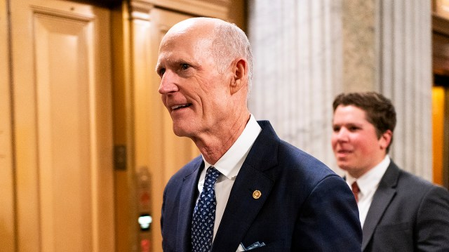
US lawmakers are advocating for country-of-origin labels on prescription drugs, highlighting vulnerabilities in America’s drug supply chain, especially after temporary restrictions on pharmaceutical exports by India during the Covid-19 pandemic. The Senate Special Committee on Aging discussed the need for transparency in drug labeling under the theme “Truth in Labeling: Americans Deserve to Know Where Their Drugs Come From.”
Committee Chairman Rick Scott introduced the CLEAR LABELS Act, which aims to mandate disclosure of the manufacturing origins of prescription drugs and their key components sold in the US. Scott emphasized that a significant portion of generic drugs in the US rely on active pharmaceutical ingredients (APIs) made overseas, primarily in China and India.
The lack of transparency in drug manufacturing poses challenges for patients, healthcare providers, and regulators, as they often lack crucial information about the medicines they use. Scott raised concerns about the oversight of overseas drug production, noting that US regulators sometimes provide advance notice before inspecting foreign facilities, compromising the effectiveness of oversight measures.
The issue was framed not only as a health concern but also as a national security risk by Scott, who warned about the potential consequences if foreign suppliers halt exports, leaving the US without access to essential medications. The hearing highlighted instances where India restricted the export of critical pharmaceutical ingredients during the pandemic, underscoring the importance of securing the drug supply chain.
Sen. Ashley Moody emphasized the challenges faced by consumers in determining the origins of their medications, citing FDA import alerts that have flagged issues such as impurities, falsified records, and non-sterile conditions at foreign drug facilities. She particularly noted the impact on seniors who heavily rely on generic drugs and may lack alternatives.
Experts at the hearing supported the call for greater transparency in drug labeling but cautioned that labeling alone might not address underlying issues in the generic drug market. Recommendations included incorporating QR codes on drug packaging to provide accessible information on manufacturing origins and quality risks, as well as making quality data public to foster competition based on factors beyond pricing.
Michael Ganio stressed the importance of consumers knowing where their prescription drugs are manufactured, advocating for mandatory country-of-origin disclosures. He highlighted the voluntary nature of current origin information and suggested that enhanced transparency could mitigate pricing pressures in the generic drug market.
Stephen W. Schondelmeyer acknowledged India’s significant role as a major supplier of generic pharmaceuticals but raised concerns about the lack of visibility into manufacturing locations and quality assessment. He criticized the absence of origin labels on life-saving drugs in contrast to other consumer products, advocating for a more transparent approach similar to New Zealand’s public drug database.
Steven Colville from the Duke-Margolis Institute for Health Policy highlighted the multifaceted challenges in the drug supply chain, including shortages, quality issues, geopolitical risks, and efforts to boost domestic manufacturing. While supporting consumer information initiatives, he cautioned that labeling reforms alone might have limited impact, especially considering patients’ limited control over drug selection in healthcare settings.
The committee announced that the hearing record would remain open for review of draft legislation, reflecting ongoing efforts to address concerns about the US healthcare system’s reliance on overseas drug manufacturing and the need for enhanced transparency in the wake of the Covid-19 pandemic.
