


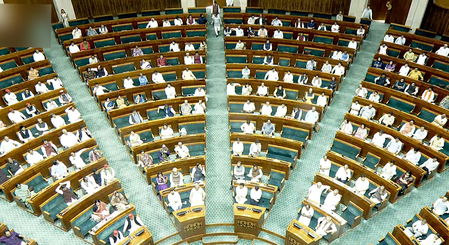
The introduction of crucial bills in a special Parliament session aimed at significant electoral reforms in India faced a setback as they failed to secure the required majority. Among these bills, the Women’s Reservation Bill, which sought to provide 33% reservation for women in politics, was once again deferred due to a standoff between the ruling party and the Opposition.
For decades, there has been a call for equitable representation of women in legislative bodies by reserving one-third of seats for them. However, the recent failure in the Lok Sabha to pass the Constitution (131st Amendment) Bill 2026, which aimed at ensuring 33% reservation for women, highlighted the ongoing challenges in achieving gender parity in politics.
The proposed bill was not merely symbolic but intended to empower women by actively involving them in national policy-making. Despite various attempts in the past to implement women’s quotas in politics, including the 2023 and 2026 bills, the persistent lack of consensus and political dynamics have hindered the realization of this crucial reform.
The defeat of the Women’s Reservation Bill signifies a significant setback for women’s political empowerment in India. The failure to secure passage for this bill not only delays the much-needed gender balance in legislative bodies but also raises concerns about the continued under-representation of women in key decision-making processes.
