


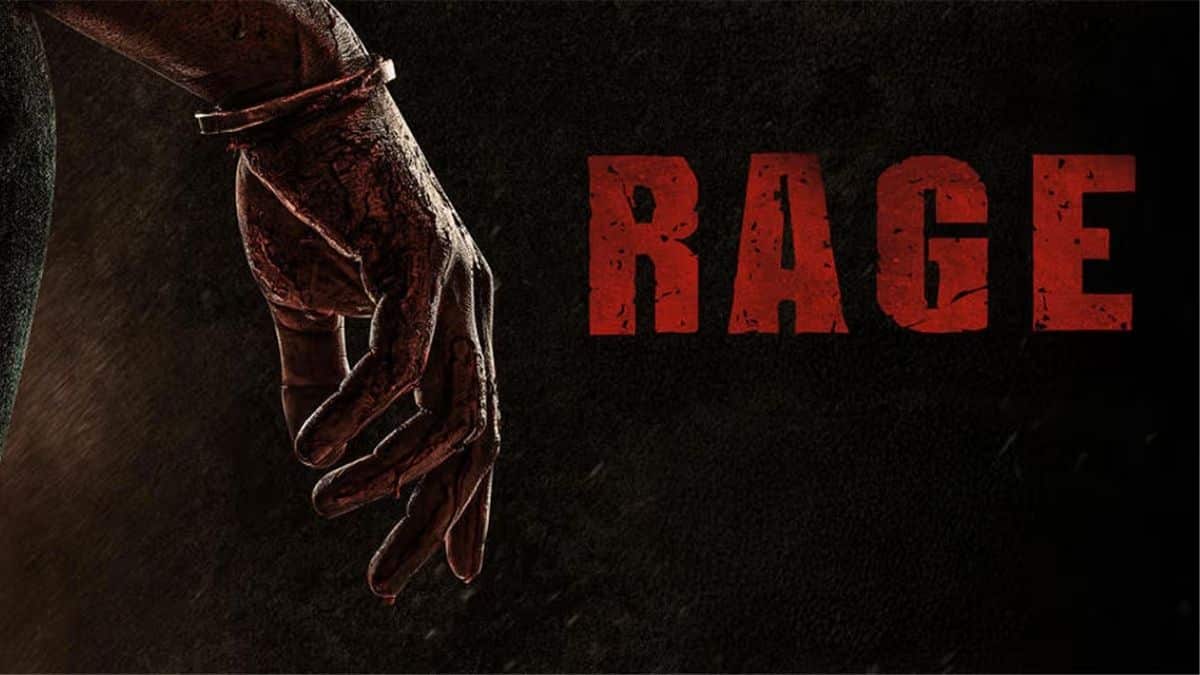
Tamil cinema has always had a special relationship with intense, character-driven storytelling. From raw revenge dramas to deeply psychological narratives, the industry continues to push boundaries with films that go beyond surface-level entertainment. Rage (2026) is the latest addition to this tradition — a film that does not arrive with flashy promises but quietly demands your full attention and rewards it generously. Directed by Sivanesan and written by and starring Shan, Rage is a slow-burning psychological thriller about what happens when a human being’s deepest wounds are left untreated for too long. Releasing on March 20, 2026, it is one of the more daring Tamil offerings of the year.
Rage (2026) is a bold, character-driven Tamil thriller that explores the devastating psychological impact of unresolved anger. Director Sivanesan crafts a film that is visually atmospheric, emotionally intense, and anchored by a fearless lead performance from Shan. For viewers who enjoy cinema that challenges and provokes, Rage is a deeply rewarding experience.
Language: Tamil
Genre: Psychological Thriller
Director: Sivanesan
Writer: Shan
Release Date: March 20, 2026
The Plot: Anger as a Force of Nature
Rage is not your conventional thriller. At its heart, it is the story of a man who appears calm on the surface but carries wounds so deep they eventually consume everything around him. As the narrative unfolds layer by layer, we begin to understand the trauma that transformed this person — and the consequences that follow when that pain has nowhere left to go.
What makes the screenplay compelling is its refusal to offer easy answers. Is the protagonist seeking justice or revenge? Can compassion heal what violence has broken? Director Sivanesan lets these questions breathe across the runtime, building genuine suspense not through action set pieces but through psychological tension. The story earns its climax.
Performances: A Cast That Fully Commits
Shan as the Lead
Shan, who also wrote the film, delivers a performance that will be difficult to forget. Playing a character who must transition from quiet restraint to explosive emotional breakdown is a serious acting challenge, and Shan handles it with remarkable control. His ability to convey inner conflict through small physical details — a glance held a beat too long, a pause before speaking — gives the film its emotional core. This is a performance with real courage behind it.
Shirley Bhabithra
Shirley Bhabithra brings warmth and emotional intelligence to a film that could easily have become suffocating. Her character is the film’s beating heart — empathetic, patient, and ultimately the only force capable of confronting the protagonist’s self-destruction with compassion rather than fear. Her scenes with Shan are among the most affecting in the film.
Saravanan
Saravanan delivers exactly what the film needs in a key supporting role. His character sits at the center of several pivotal revelations, and he handles the film’s more confrontational sequences with authority and presence. A reliable, strong turn that elevates the tension significantly.
Direction: Sivanesan Plays the Long Game
Sivanesan announces himself here as a director with a distinct and disciplined vision. He is not interested in cheap thrills or manufactured suspense. Every scene exists to deepen our understanding of who these characters are and why they are heading toward an inevitable collision.
The pacing is deliberate — and that is precisely the point. Sivanesan trusts his audience to stay with the film as it builds, and that patience is rewarded in the final act. His use of visual storytelling to communicate psychological states — shifting camera angles, changes in lighting, close-ups that hold just a moment longer than expected — demonstrates a filmmaker thinking in cinematic language, not just plot mechanics.
Technical Craft
Cinematography
The visual grammar of Rage is one of its greatest strengths. Muted color palettes, heavy shadow work, and confined urban spaces work together to create a world that feels psychologically pressured at all times. Close-up shots capture micro-expressions that reveal far more than dialogue ever could. The visual style is not decorative — it is doing real narrative work in every frame.
Music and Background Score
The score is restrained and all the better for it. Quiet instrumental compositions accompany the film’s more reflective moments, while tension builds through carefully placed musical cues in scenes of confrontation and breakdown. There is no attempt to manipulate the audience with swelling emotional music. The film trusts its performances, and the score follows their lead.
Strengths and Weaknesses
What Works Brilliantly
- Shan’s fearless, emotionally complex lead performance
- Sivanesan’s patient, psychologically intelligent direction
- Atmospheric cinematography that reinforces every emotional beat
- Shirley Bhabithra’s grounded and empathetic supporting performance
- A screenplay that takes its themes seriously and earns its ending
Where It Could Improve
- The slow-burn pacing may test viewers expecting conventional thriller momentum
- A few supporting characters deserved more screen time and development
- The heavy emotional tone makes this a demanding watch rather than an easy one
Final Verdict: 4/5 Stars ⭐⭐⭐⭐
Rage (2026) is the kind of Tamil film that reminds you what the genre is capable of when filmmakers choose ambition over formula. Sivanesan has delivered a psychologically rich, visually striking thriller that asks real questions about anger, justice, and the possibility of healing — and refuses to answer them cheaply.
Shan proves himself both as a writer and as a lead actor capable of carrying the full emotional weight of a film on his shoulders. Shirley Bhabithra and Saravanan provide strong, credible support. And the film’s craft — its cinematography, sound design, and disciplined direction — elevates it well above the average.
For viewers who want their cinema to leave a mark, Rage absolutely delivers.
What is the age rating of Rage (2026)?
The official age certification for Rage (2026) is yet to be confirmed at the time of writing.
Can we watch Rage (2026) with kids?
Rage (2026) is not recommended for young children. The film deals with serious psychological themes including unresolved trauma, rage, and the consequences of violence.
Is Rage (2026) based on a true story?
No, Rage (2026) is not based on a true story. The film is an original work of fiction written by Shan.
