


There are mornings during Navratri when you wake up and think: I cannot eat another soft, yielding thing. I need crispness. I need texture. I need something that cracks a little when you bite into it, something that feels less like fasting food and more like an actual treat.
Made from the same tapioca pearls as sabudana khichdi but transformed into a thin, crispy crepe that rivals any regular dosa, sabudana dosa is what happens when South Indian breakfast wisdom adapts to North Indian fasting restrictions and somehow creates something better than either tradition alone. No rice.
Table of Contents
What Exactly Is Sabudana Dosa?
Sabudana dosa is a thin, crispy crepe made from soaked and ground tapioca pearls blended into a pourable batter with curd, a small amount of mashed potato for binding, and rice flour (or arrowroot for stricter fasting). It’s leavened instantly using ENO fruit salt instead of the traditional overnight fermentation that regular dosa requires.
The genius of this adaptation is what it keeps and what it loses. Traditional dosa uses rice and urad dal, ferments for 8-12 hours, and requires planning and patience. Sabudana dosa uses tapioca pearls (vrat-approved), skips the dal entirely, and uses ENO to create the slight rise and airy texture that fermentation would normally provide. The result is ready the same morning you want to eat it, and it’s completely grain-free and sattvic.
The texture is lighter and more delicate than regular rice dosa—it crisps beautifully at the edges while staying tender in the center, and it has that characteristic lacy appearance when spread thinly on a hot tawa. When you fold it and take your first bite, the crisp edges crackle in exactly the way dosa should, and for a moment you forget you’re fasting at all.
Recipe Overview
| Detail | Information |
|---|---|
| Prep Time | 15 minutes (plus 4 hours soaking) |
| Draining Time | 45 minutes (critical) |
| Cook Time | 2-3 minutes per dosa |
| Total Active Time | ~25 minutes |
| Yield | ~8 dosas |
| Servings | 4 people (2 dosas each) |
| Cuisine | South Indian (Vrat/Fasting Adaptation) |
| Course | Breakfast |
| Diet | Vegetarian, Gluten-Free, Grain-Free, Vrat-Friendly |
| Difficulty Level | Medium |
| Calories per Dosa | ~180 kcal |
Ingredients List
| Ingredient | Quantity | Notes |
|---|---|---|
| Sabudana (Tapioca pearls) | 1 cup (150g) | Small or medium pearls; rinse thoroughly |
| Thick fresh curd (yogurt) | ½ cup | Room temperature; full-fat preferred |
| Rice flour | 2 tablespoons | For binding; use arrowroot for stricter fasting |
| Boiled potato | 1 small | Mashed; adds structure to batter |
| ENO fruit salt | 1 teaspoon | For instant leavening |
| Ghee or oil | 1 tablespoon plus more for cooking | Ghee preferred for fasting |
| Sendha namak (Rock salt) | To taste | Regular salt if not fasting |
| Roasted cumin powder | ½ teaspoon | For flavor depth |
| Green chili | 1 (optional) | Finely chopped |
| Water | As needed | For batter consistency |
Why Sabudana Dosa Is Perfect for Navratri Mornings
Chaitra Navratri 2026 runs from March 19 to 27. By the middle of the nine days, breakfast fatigue sets in. You’ve had sabudana khichdi. You’ve had vrat rice idli. You’ve had aloo jeera with kuttu puri. All good. All nourishing. But all soft.
Sabudana dosa provides textural relief while staying completely within fasting rules:
Instant preparation without fermentation. The ENO does in 30 seconds what fermentation does in 12 hours—creates air pockets that make the dosa light and slightly puffy. During Navratri when mornings are busy with puja preparations, that speed matters enormously.
Crispy texture breaks monotony. After days of soft, comforting foods, the crisp edges of a properly made sabudana dosa feel like a revelation. The research notes this directly: crispy texture combats soft-food fatigue. Your palate needs variety, and texture is variety even when ingredients are restricted.
Resistant starch for sustained energy. Sabudana contains approximately 12 grams of resistant starch per 100 grams. This type of starch doesn’t fully break down in the small intestine—it acts more like fiber, feeding beneficial gut bacteria and providing steadier energy release than pure simple carbs.
Probiotics from fresh curd. The approximately 120mg of calcium per dosa comes from the curd, which also provides beneficial bacteria that support digestion during a time when your gut is working differently.
Pairs perfectly with existing fasting accompaniments. Coconut chutney (vrat version), dahi aloo, even plain yogurt—all the traditional dosa accompaniments work beautifully with sabudana dosa. According to the research, dosa pairings extend satiety by approximately 45 percent compared to eating dosa alone.
Quick cooking for busy mornings. Each dosa takes about 2-3 minutes total cooking time. Once your batter is ready, you can have eight dosas on the table in under 20 minutes of continuous cooking.
The 45-Minute Draining Secret That Changes Everything
Before we get into the step-by-step, let’s address the single most important factor in crispy sabudana dosa: proper draining after soaking.
Everyone knows sabudana needs to soak. What most people don’t realize is that after soaking, the pearls must be drained thoroughly and left to air-dry for 45 minutes before grinding into batter. This isn’t optional. This isn’t “if you have time.” This is the difference between dosa that crisps beautifully and dosa that turns out soggy and limp.
Here’s why it matters: soaked sabudana pearls are saturated with water. If you grind them immediately after soaking, all that water goes into your batter. Excess water in the batter means excess moisture in the dosa, and moisture is the enemy of crispness. The dosa will steam on the tawa instead of crisping, and you’ll end up with exactly the soft, yielding texture you were trying to avoid.
CHECK MORE ON:Singhare Ka Halwa Recipe
Get these two things right—the 45-minute draining and the hot tawa—and the rest is just following steps.
Step-by-Step Instructions: Making Perfect Sabudana Dosa
Step 1: Soak the Sabudana (4 Hours)
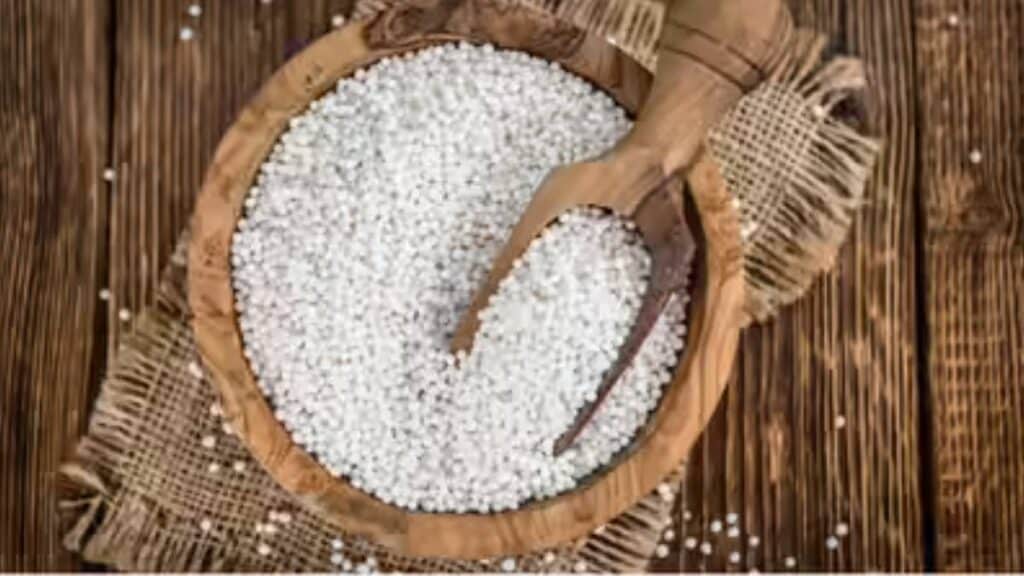
Rinse 1 cup (150g) of sabudana under cold running water 2 to 3 times until the water runs clear. This removes excess surface starch.
Time: 4 hours soaking
Step 2: Drain Thoroughly (45 Minutes – Critical)
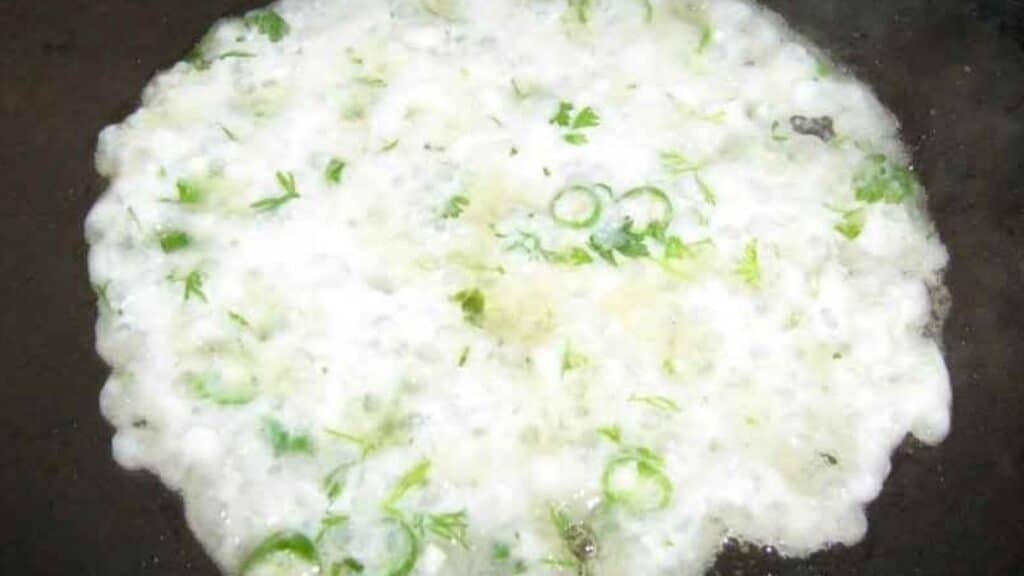
After soaking, drain the sabudana through a fine-mesh strainer. Press gently to remove water, then transfer to a clean kitchen towel or thin cotton cloth. Spread the pearls out and let them drain for 45 minutes.
After soaking, drain the sabudana through a fine-mesh strainer. Press gently to remove water, then transfer to a clean kitchen towel or thin cotton cloth. Spread the pearls out and let them drain for 45 minutes.
Time: 45 minutes draining (do not skip)
Step 3: Activate with ENO
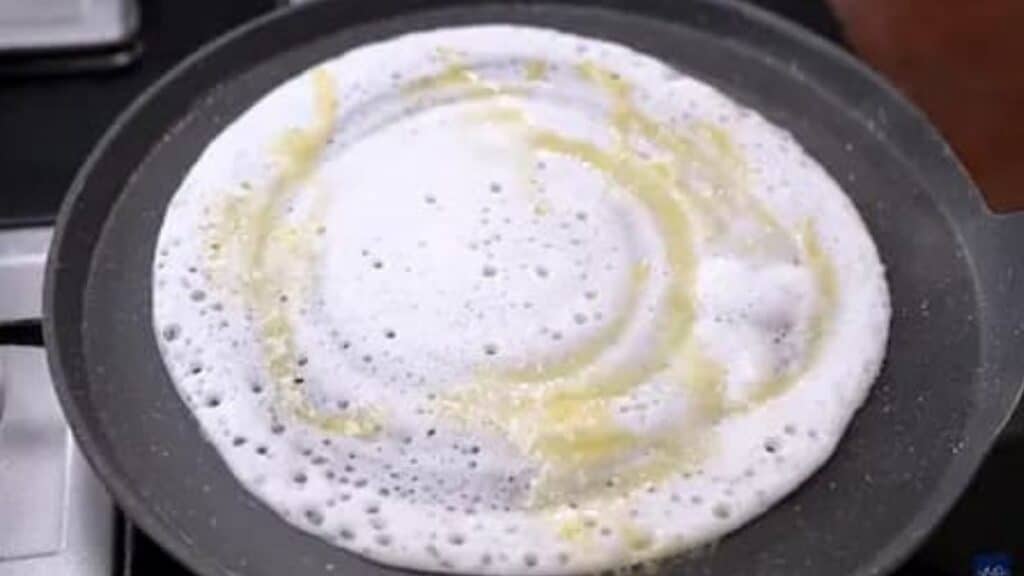
Just before you’re ready to start cooking, add 1 teaspoon of ENO fruit salt to the batter. Mix gently until the batter becomes slightly frothy. You’ll see tiny bubbles forming throughout—that’s the ENO working.
Don’t add the ENO too early. Once it’s mixed in, you want to start cooking within 5 minutes while the leavening action is still active.
Time: 30 seconds
Step 4: Heat and Grease the Tawa
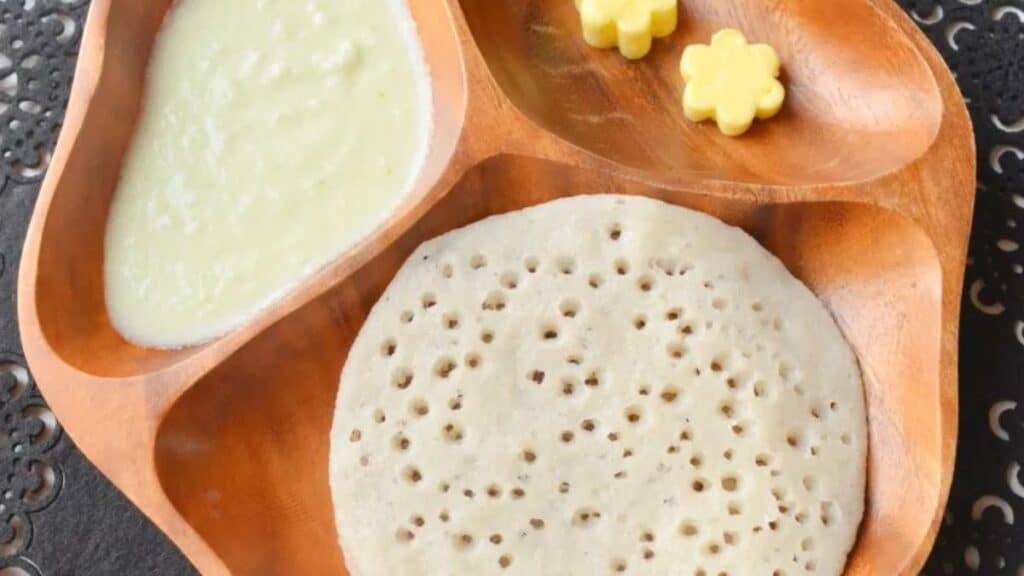
Heat a flat tawa or non-stick pan over medium-high heat. It needs to be properly hot—when you sprinkle a few drops of water on it, they should sizzle and evaporate immediately.
Time: 2-3 minutes
Step 5: Spread the Dosa
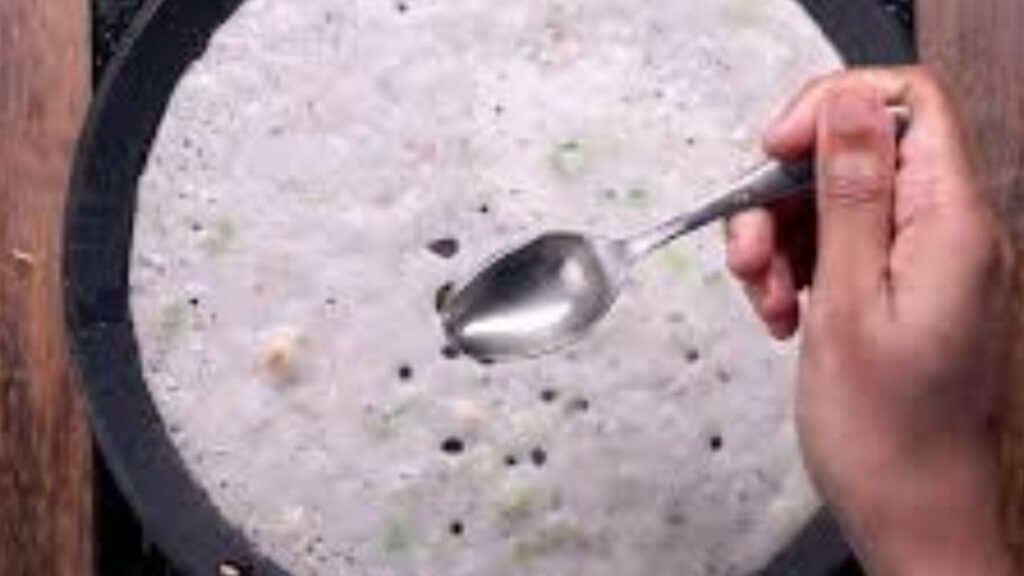
Pour a ladleful of batter (about ¼ cup) in the center of the tawa. Using the back of the ladle or a circular spreading motion, quickly spread the batter outward in a circular pattern, starting from the center and moving to the edges.
Don’t worry if your first dosa isn’t perfectly circular—shape comes with practice. Focus on getting it thin and even.
Time: 15 seconds
Step 6: Cook Until Crispy
Let the dosa cook undisturbed for about 2 minutes. You’ll see the edges start to lift and turn golden-brown. The bottom should be crispy and lightly golden with darker brown spots.
Drizzle a small amount of ghee around the edges and in the center. This adds flavor and enhances crispness.
Time: 2-3 minutes per dosa
Step 7: Serve Immediately

Transfer the cooked dosa to a plate and serve immediately while it’s still hot and crispy. Repeat with the remaining batter, greasing the tawa lightly before each dosa.
Total Active Time: About 25 Minutes (plus soaking and draining)
Quick Vrat-Friendly Coconut Chutney
Grind together:
- ½ cup fresh coconut (grated)
- 2-3 green chilies
- 1-inch piece ginger
- 2 tablespoons curd
- Sendha namak to taste
- Water as needed for grinding consistency
Optional tempering: Heat 1 teaspoon ghee, add ½ teaspoon cumin seeds, let splutter, pour over chutney.
Storage and Make-Ahead Tips
| Component | Storage Method | Duration | Notes |
|---|---|---|---|
| Dry sabudana | Airtight container | Months | Store in cool, dry place |
| Soaked & drained sabudana | Refrigerate | Use same day | Best freshness |
| Batter (without ENO) | Refrigerate | 12 hours max | Add ENO fresh before cooking |
| Cooked dosas | Not recommended for storage | Consume immediately | Lose crispness quickly |
The best strategy for Navratri: Soak sabudana in the morning, drain for 45 minutes, grind batter in late morning, cook fresh dosas for lunch or dinner. The texture is always best when cooked immediately after batter preparation.
Why This Recipe Still Matters
In the landscape of Navratri fasting, sabudana dosa occupies an interesting position. It’s not traditional in the sense that it’s been made for centuries—it’s a relatively modern adaptation, a creative solution to the question of how to bring South Indian breakfast satisfaction into North Indian fasting restrictions.
Sabudana dosa does exactly that. It takes the crispy, satisfying texture of dosa and makes it work within vrat guidelines. It gives you something to look forward to during the middle days of Navratri when breakfast monotony is real and texture variety becomes genuinely important to maintaining enthusiasm for the fast.
The research mentions that approximately 55 percent of searches for vrat flatbreads spike during festivals, and approximately 60 percent of searches specifically for instant vrat dosa increased in 2025. These aren’t just numbers—they’re evidence of people actively seeking variety within restrictions, looking for ways to make fasting food feel less like deprivation and more like choice.
When you make sabudana dosa properly—when those edges crisp up golden and lacy, when the center stays tender, when you fold it around a spoonful of dahi aloo and take that first crunchy bite—you’re experiencing what happens when traditional wisdom meets practical creativity within a framework of devotion.
Why do my sabudana dosas turn out soggy instead of crispy?
Sogginess is almost always caused by excess water in the batter from insufficiently drained sabudana.
How long should I soak sabudana for dosa batter?
Soak for 4 hours. This is shorter than the 4-6 hours recommended for sabudana khichdi because for dosa you want the pearls soft enough to grind smoothly but not so oversoaked that they become waterlogged. Four hours is the sweet spot for dosa texture.
Can I make sabudana dosa without rice flour?
Yes. For stricter Navratri fasting where even rice flour is avoided, use arrowroot powder instead. It provides similar binding properties.
