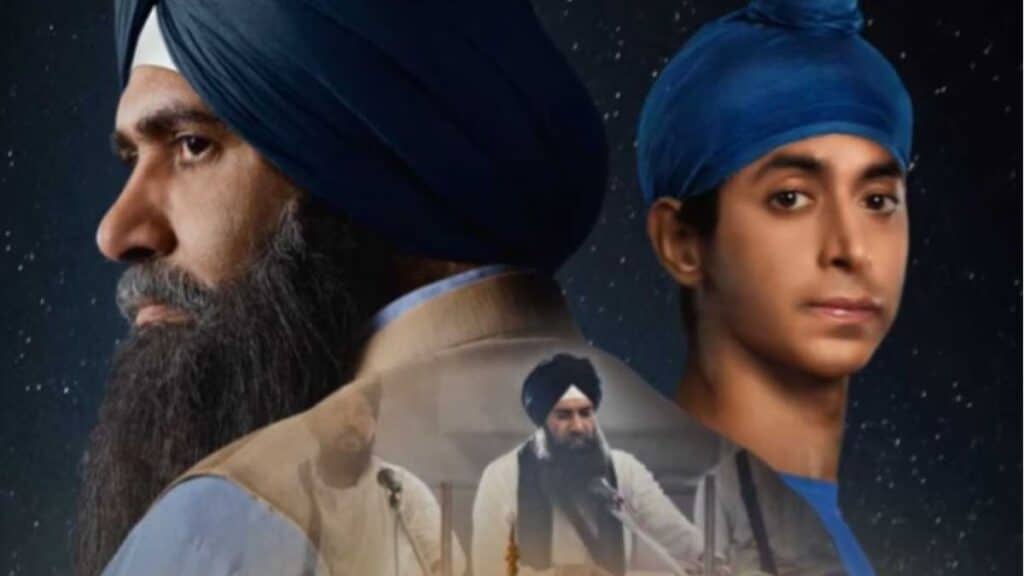
ZEE5 is set to premiere Shabad – Reet Aur Riwaaz, a deeply moving Hindi family drama series that explores the universal conflict between honoring family legacy and pursuing personal dreams. Starring Mihir Ahuja as a stuttering Punjabi teenager torn between his passion for football and his father’s expectations to continue their musical tradition, and Suvinder Vicky as the formidable patriarch determined to preserve sacred family customs, this six-episode series promises to resonate with anyone who’s ever felt caught between duty and desire.
Quick Summary:
Shabad – Reet Aur Riwaaz premieres on ZEE5 (OTTplay Premium) on February 6, 2026. The six-part Hindi series follows 16-year-old Ghuppi Singh (Mihir Ahuja), who stutters and dreams of football, as he clashes with his Ragi singer father Harminder Singh (Suvinder Vicky), who insists he continue their sacred musical tradition. Director Ameet Guptha helms this exploration of generational conflict, identity, and the weight of cultural expectations.
What is Shabad – Reet Aur Riwaaz About?
Ghuppi Singh’s dual struggle forms the emotional core of the narrative. Played by Mihir Ahuja, this 16-year-old protagonist battles two challenges that profoundly shape his daily existence: chronic stuttering that makes verbal communication painfully difficult, and family expectations that seem to leave no room for his actual passions and abilities. The stutter isn’t just a character trait—it’s a metaphor for how difficult it is for Ghuppi to articulate his own desires in a family and culture where deference to parental authority is deeply ingrained.
Harminder Singh’s perspective provides the counterpoint that prevents the series from becoming a simple “progressive youth versus traditional parent” story. Played by Suvinder Vicky, known for powerful performances in films like Ucha Pind and Kohrra, Harminder isn’t portrayed as a villain or obstacle but as a man deeply committed to something he considers sacred. As a renowned Ragi singer—someone who performs devotional music in Sikh religious contexts—Harminder views the family’s musical tradition as “Reet,” a sacred duty passed down through generations that connects them to their faith, community, and identity.
The “Riyaz” versus football dichotomy structures the series’ central conflict. Riyaz—the disciplined, repetitive practice essential to mastering Indian classical and devotional music—requires patience, dedication, and submission to tradition and teaching. It’s regimented, controlled, and deeply connected to cultural and spiritual heritage. Football, by contrast, offers spontaneity, physical expression, teamwork with peers rather than reverence for ancestors, and participation in a global rather than specifically Punjabi or Indian cultural tradition.
Punjab as setting matters beyond just geographic specificity. Punjabi culture carries particular associations with masculinity, physical prowess, celebration, and also deep religious devotion and respect for tradition. The series navigating this cultural context means examining how these sometimes contradictory cultural values play out in individual family dynamics, how modern aspirations clash with traditional expectations in communities where both remain powerful forces.
The six-episode format suggests a tightly focused narrative that can explore these themes with depth and nuance rather than stretching a thin premise across too many episodes. Limited series formats often allow for more cinematic storytelling, character development that doesn’t get diluted across endless seasons, and satisfying narrative arcs that reach genuine conclusions rather than setting up sequel hooks.
CHECK MORE ON:Is Sirai Based on a True Story? Real Events Behind the Tamil Police Thriller
Meet the Cast: Mihir Ahuja and Suvinder Vicky Lead This Emotional Drama
The success of a character-driven family drama like Shabad – Reet Aur Riwaaz depends enormously on casting—finding actors who can convey complex internal struggles, navigate generational and cultural tensions authentically, and create father-son dynamics that feel lived-in rather than performed. The series’ central casting choices suggest careful attention to these requirements.
Mihir Ahuja takes on the challenging role of Ghuppi Singh, a character whose stutter alone creates significant performance demands before even addressing the emotional complexity of his situation. Portraying speech impediments authentically without veering into caricature or exploitation requires sensitivity, research, and considerable acting skill. The stutter needs to feel real and organic, integrated into the character’s psychology and experience rather than just a quirk or plot device.
Suvinder Vicky brings gravitas, lived-in authenticity, and proven dramatic range to the role of Harminder Singh. His previous work demonstrates an ability to portray complex characters navigating moral ambiguities and difficult circumstances with humanity rather than judgment. In films like Ucha Pind, he’s shown capacity for conveying internal conflict, in Kohrra he displayed subtle emotional depth, and throughout his career he’s specialized in roles that require understanding characters from the inside rather than just performing types.
The chemistry between Ahuja and Vicky will be absolutely crucial. Father-son dynamics that feel authentic require actors who listen to each other, react naturally, and create the kind of complicated love-resentment-respect mixture that characterizes real parent-child relationships. In the trailer, glimpses of their interactions suggest tension, emotion, and the kind of painful communication breakdown that happens when people who love each other cannot bridge fundamental differences in how they see the world.
Supporting cast details haven’t been extensively publicized, but family dramas require full ecosystems—mothers, siblings, extended family, community members—who provide additional perspectives, mediate conflicts, or represent different ways of navigating tradition and modernity. The quality and depth of these supporting performances will influence how fully realized the world of the series feels.
Director Ameet Guptha’s vision shapes how these performances come together into coherent storytelling. His directorial approach—visual style, pacing, how he balances intimate character moments with broader cultural context—will determine whether the series transcends its potentially familiar premise to offer something genuinely moving and insightful about family, identity, and the weight of expectation.
Why Shabad – Reet Aur Riwaaz Resonates: Universal Themes in Specific Cultural Context
Generational conflict about career and life paths is nearly universal in Indian families, though the specific contours vary. For every Ghuppi expected to become a Ragi singer, there’s a child expected to become a doctor instead of pursuing dance, an engineer instead of studying literature, a corporate professional instead of starting a business, a lawyer instead of becoming a chef. The particulars change, but the essential dynamic—parents with one vision for their child’s future, the child with a different dream—plays out in millions of households.
The disability or difference factor adds complexity through Ghuppi’s stutter. Many viewers will connect with the experience of having some characteristic—disability, learning difference, physical appearance, temperament—that shapes how they navigate the world and influences family dynamics around expectation and achievement. Ghuppi’s stutter makes verbal communication in musical performance particularly challenging while having no impact on his football ability, creating natural alignment between his capacity and his passion that his father seemingly can’t or won’t see.
Identity formation in the shadow of strong cultural traditions creates challenges particularly acute in communities with deep heritage and clear expectations about continuity. Being Punjabi Sikh carries specific cultural identity markers, traditions, and community expectations. Devotional music in Sikh tradition isn’t just entertainment or career—it’s service to the Guru, connection to the divine, and participation in sacred community practice. Asking Ghuppi to continue this tradition asks him to be a specific kind of person with specific relationship to faith and community.
Communication breakdown between parents and children often stems not from lack of love but from inability to truly hear each other. Ghuppi’s literal stutter metaphorically represents how difficult it is for children to articulate desires that diverge from parental expectations, while Harminder’s insistence on tradition might represent parents’ inability to hear what their children are actually trying to say because it doesn’t align with the script they’ve written for their child’s life.
The price of tradition deserves examination in ways that honor tradition’s value while acknowledging its potential costs. Traditions preserve wisdom, create continuity, maintain cultural identity, and connect us to something larger than individual existence. But traditions maintained rigidly, without regard for individual fit or contemporary context, can become oppressive, forcing people into molds that don’t actually serve them or the tradition itself.
The Significance of Punjabi and Sikh Cultural Representation
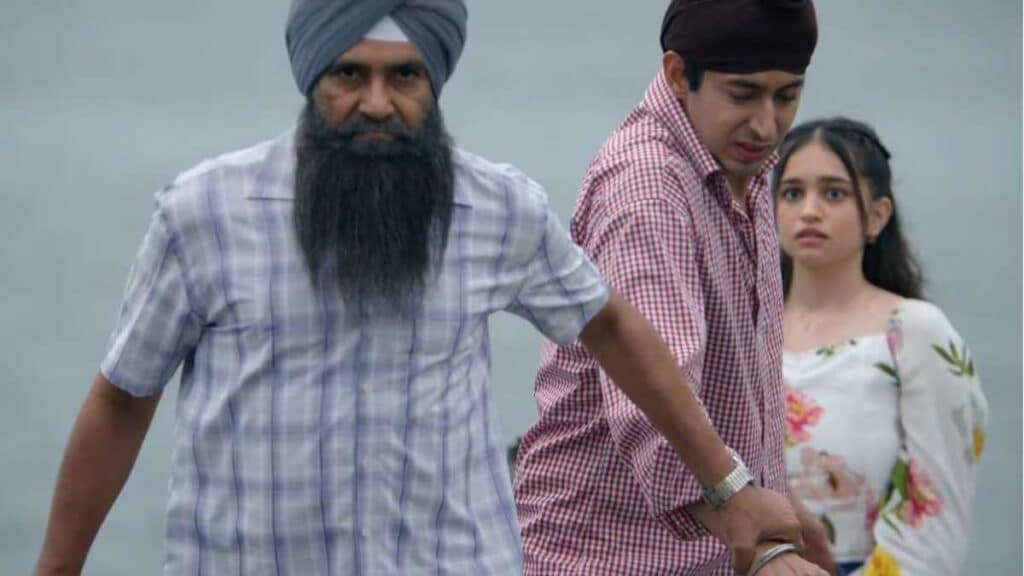
Shabad – Reet Aur Riwaaz arriving on a major streaming platform as a Hindi series centered on Punjabi Sikh family and cultural dynamics represents important representation that deserves recognition and examination.
Punjabi culture in Indian entertainment often appears in specific, sometimes stereotypical ways—the jovial Punjabi friend character in Bollywood films, the agricultural or NRI context in Punjabi cinema, the bhangra soundtrack that signals celebration. Nuanced exploration of Punjabi family dynamics, religious traditions, and internal cultural tensions appears less frequently, particularly in Hindi-language content produced for national audiences.
Sikh religious practice specifically around devotional music carries significance that the series seems poised to explore thoughtfully. Kirtan—devotional singing of sacred Gurbani hymns—occupies central place in Sikh religious practice. Ragi singers are respected community figures whose musical service is considered seva (selfless service) rather than mere performance. The family tradition Harminder wants Ghuppi to continue isn’t just about music—it’s about religious devotion, community service, and maintaining sacred practices.
Disability representation through Ghuppi’s stutter adds another layer of significance. Stuttering affects millions of people but rarely receives nuanced, central portrayal in entertainment. Characters who stutter often appear as comic relief, tragic figures defined entirely by their speech impediment, or inspirational overcoming-disability narratives that treat the stutter as problem to be conquered rather than part of someone’s reality to be navigated.
Regional language and cultural specificity in Hindi entertainment raises interesting questions about representation and accessibility. The series is Hindi-language but centers Punjabi culture and includes elements (Ragi music, cultural practices) deeply rooted in Punjabi and Sikh tradition. This hybrid approach potentially serves multiple audiences—Hindi speakers nationally who get exposure to Punjabi cultural specificity, Punjabi audiences who see their culture portrayed with authenticity, and diaspora viewers who engage with Indian content through Hindi.
Why February 6 Premiere Timing Matters
The February 6, 2026 release date for Shabad – Reet Aur Riwaaz positions the series in interesting ways within both the streaming content calendar and broader cultural context worth considering.
Early year release on streaming platforms can provide strategic advantages. January and February often see less competition for viewership than later in the year when major releases cluster. By premiering in early February, the series enters a relatively less crowded field where it might capture more attention than if released during peak competition periods in fall or during major festival seasons.
School year timing in India aligns with February being mid-academic year when students and families have settled into routines but haven’t yet reached summer break. For a series dealing with teenage protagonist and family dynamics, this timing means potential viewers aren’t distracted by exams (which cluster in March-April and October-November) or summer holidays when media consumption patterns shift.
Avoiding major festival seasons can be strategic for content that requires sustained attention and emotional engagement. During Diwali, Holi, or other major festivals, audiences often prefer lighter, more celebratory content or are simply too busy with celebrations to invest in serious family dramas. February sits in a relatively quiet cultural period—after Lohri and before Holi—when audiences might have more mental space for engaging with complex emotional narratives.
Platform strategy considerations likely influence ZEE5’s timing choices. February might represent a period where the platform wants to drive subscription renewals or attract new subscribers with compelling original content. Streaming services carefully manage their release calendars to maintain consistent viewer engagement throughout the year rather than clustering all major releases in a few months.
Thematic relevance to new year resolutions and fresh starts could provide subtle resonance. Early year timing often involves people thinking about change, pursuing new goals, confronting choices about life direction—themes that align naturally with Ghuppi’s struggle to pursue his authentic path despite family pressure. While not necessarily intentional, this thematic alignment can subtly enhance how audiences connect with content.
How Shabad – Reet Aur Riwaaz Fits in ZEE5’s Regional Content Strategy
Examining where Shabad – Reet Aur Riwaaz fits within ZEE5’s broader content strategy reveals insights about how streaming platforms are approaching regional and culturally specific content in India’s diverse entertainment market.
ZEE5’s multilingual approach has consistently emphasized regional content across Hindi, Tamil, Telugu, Kannada, Malayalam, Bengali, Marathi, Punjabi, and other languages, recognizing that India’s streaming audience isn’t monolithic but rather composed of distinct linguistic communities with specific content preferences. Shabad – Reet Aur Riwaaz as a Hindi series centered on Punjabi culture reflects the platform’s strategy of creating content that bridges linguistic markets while maintaining cultural specificity.
Original series investment demonstrates ZEE5’s commitment to competing with larger platforms like Netflix, Amazon Prime Video, and Disney+ Hotstar through distinctive content that serves underserved niches. While the biggest platforms can afford to chase blockbuster content and international licensing deals, ZEE5 has found strategic positioning in deeply regional stories told with quality production values—content that serves specific communities while being accessible to broader audiences curious about diverse Indian experiences.
Family drama focus aligns with content that has historically performed well on Indian streaming platforms. Unlike Western streaming that often emphasizes high-concept science fiction, fantasy, or prestige drama, Indian audiences consistently engage with well-crafted family stories that explore recognizable relationship dynamics and cultural tensions. Shabad – Reet Aur Riwaaz fits this proven successful genre while bringing fresh specificity through its Punjabi cultural context and particular family conflict.
Six-episode limited series format reflects global streaming trends toward more focused, bingeable storytelling rather than the sprawling multi-season commitments that can dilute narrative quality and viewer engagement. Six episodes allows the creative team to tell a complete story with satisfying arc while maintaining production quality and narrative discipline throughout. This format also serves viewers who want complete stories rather than open-ended series that might never reach conclusions.
OTTplay Premium integration extends the series’ potential reach beyond ZEE5 subscribers to the broader OTTplay ecosystem, which aggregates content from multiple platforms. This distribution strategy acknowledges that viewers increasingly consume content across multiple services rather than maintaining loyal allegiance to single platforms, and making content accessible through aggregation services maximizes potential viewership.
Competition positioning against other platforms’ regional content offerings distinguishes ZEE5’s approach. While Netflix might emphasize pan-Indian or internationally oriented content and Amazon might focus on Tamil and Telugu markets particularly, ZEE5’s strength in North Indian regional content—Punjab, Haryana, Rajasthan, and Hindi heartland—creates differentiation. Shabad – Reet Aur Riwaaz exemplifies content that serves this positioning while maintaining production quality comparable to larger platforms.
What to Expect: Themes, Narrative Style, and Potential Impact
Based on available information about Shabad – Reet Aur Riwaaz, several expectations emerge about the series’ thematic exploration, narrative approach, and potential impact on viewers and broader cultural conversations.
Emotional depth over plot complexity seems likely given the series’ focus on internal family dynamics and character psychology rather than external plot mechanics. The conflict—teenager wants football, father wants tradition—is straightforward. The complexity will come from exploring the emotional truth of this conflict from multiple perspectives, understanding why each character feels so deeply about their position, and examining the costs of different potential resolutions.
Avoiding easy resolution will determine whether the series offers meaningful exploration of its themes or retreats into comfortable wish fulfillment. The temptation in family dramas is to engineer happy endings where everyone gets what they want without sacrifice—maybe Ghuppi becomes successful footballer while also maintaining devotional music practice, satisfying both his passion and his father’s expectations.
Nuanced portrayal of tradition will separate thoughtful exploration from simplistic modernity-good-tradition-bad narratives. The series has opportunity to show why devotional music tradition matters deeply to Harminder and the community, what genuine value it holds, what would be lost if it ends, while simultaneously acknowledging that tradition continued by force rather than conviction loses its sacred character.
Visual storytelling through music and sport offers opportunities for the series to show rather than just tell the competing pulls on Ghuppi’s life. Sequences of him struggling through riyaz—the repetitive, disciplined musical practice—contrasted with fluid, joyful football sequences can convey his internal experience more powerfully than dialogue. The physical and visual differences between these two worlds—the contained, traditional space of devotional music practice versus the open, dynamic space of the football field—create natural metaphors for the choices he faces.
Broader cultural conversations that the series might spark could extend beyond the specific story to questions about how Indian families navigate tradition and modernity more broadly. As India continues rapid social and economic change, questions about which traditions deserve preservation, how to maintain cultural identity while embracing change, and how to balance familial duty with individual authenticity become increasingly urgent for millions of families.