


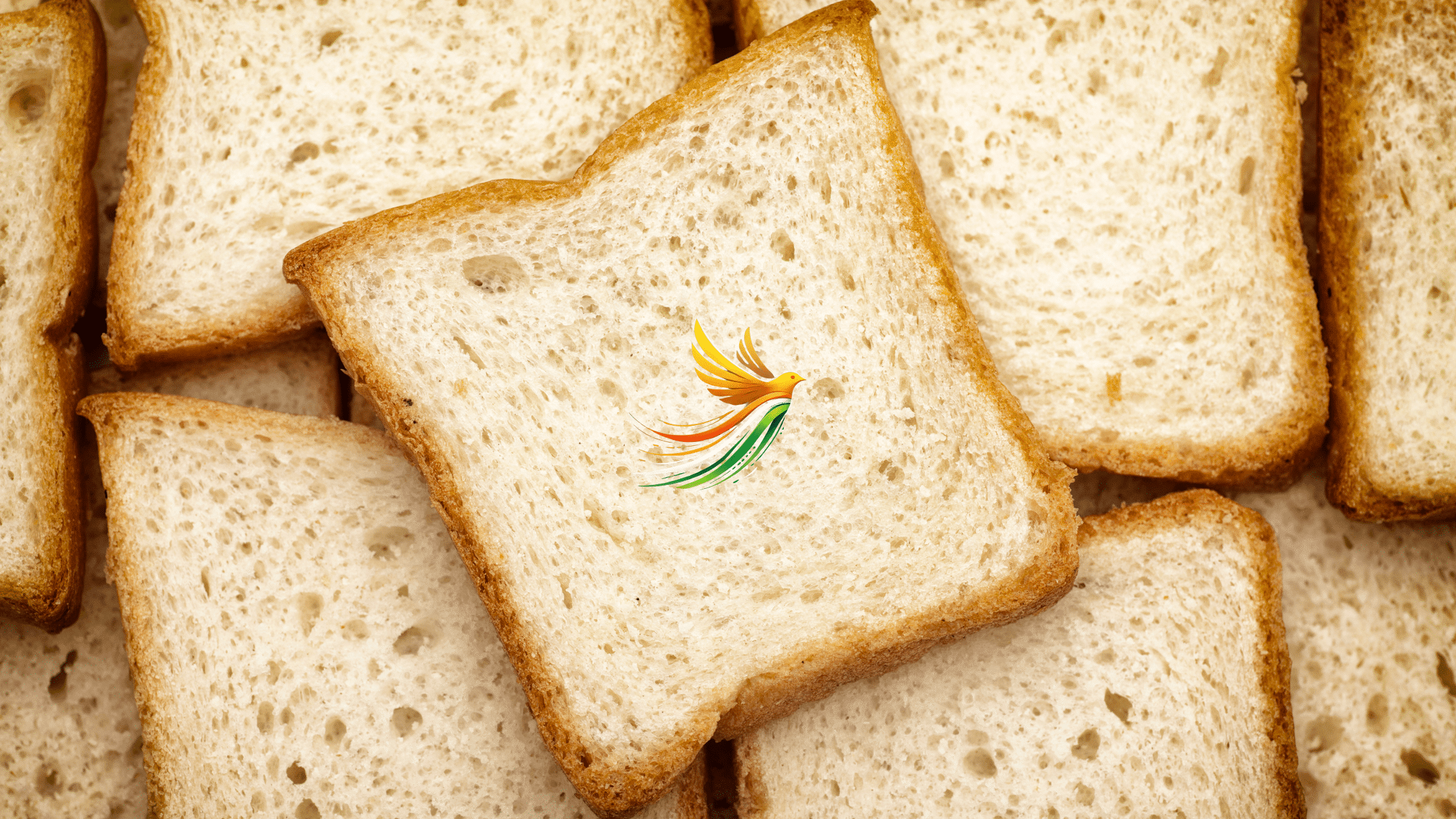
Picture this: a small kirana shop in the early 90s. No air conditioning, no neat rows of plastic-packaged goods, just shelves stacked with the bare essentials. And in the corner, next to the biscuits and namkeen, sits a small, crumpled packet with a few slices of bread. Not a loaf—just a handful of slices.
Back then, bread wasn’t king. It wasn’t even invited to the dining table most of the time. In an Indian household where roti, naan, paratha, and dosa reigned supreme, bread was the underdog trying to prove it deserved a spot.
It had competition from meals that were sacred—freshly made, warm, and steeped in tradition. Why settle for bread when you could have a soft, fluffy roti? Why eat a sandwich when you could roll up a parantha with pickles? Bread was bland in comparison. It had no masala, no layers of ghee, no connection to grandma’s recipes. To the Indian palate, bread was foreign. It didn’t have the emotional comfort of home-cooked food.
The Struggle for Acceptance
For years, bread was seen as the “lazy” option—a quick fix for those who didn’t have the time or resources to make proper meals. The older generation turned up their noses. “Yeh toh angrezi log ka khana hai,” they’d mutter, dismissing bread as something alien.
But bread wasn’t going down without a fight.
The first breakthrough came when Indians made bread their own. The bread pakora was born—hot, spiced, and unapologetically Indian. Bread became a vessel for something familiar: the spiced potato filling of a samosa, dipped in besan batter and fried until golden. Suddenly, bread was no longer bland. It was crispy, it was flavorful, it was homegrown. It wasn’t competing with roti anymore; it was offering something new.
Next came the Mumbai vada pav—soft bread rolls cradling fiery potato dumplings, served with spicy chutneys. It was cheap, filling, and convenient. Bread adapted, Indianized itself, and slowly earned its place.
The Packaging Revolution: Bread Joins the Modern Family
By the 90s, India’s economy was opening up. Families were working harder and longer, and they needed meals that were fast and fuss-free. Bread had the perfect pitch: “I’m quick, easy, and modern.”
Big players like Britannia and Modern capitalized on this. They introduced packaged loaves that stayed fresh longer. Plastic packaging, better production methods, and refrigeration solved bread’s biggest problem—short shelf life. Suddenly, bread wasn’t a gamble anymore. You could toast it, butter it, or stuff it with whatever you had lying around. It was a lifesaver on rushed mornings.
But here’s the real genius: bread didn’t force Indians to change. It changed for Indians. The sandwich became the perfect vehicle for desi flavors—spicy chutneys, sliced onions, masala potatoes, and paneer. The humble bread transformed itself into something that tasted just right for the Indian palate.
Bread Goes Global but Stays Local
By the early 2000s, bread wasn’t just “angrezi food” anymore. It was everywhere. Supermarkets showcased varieties—white, brown, whole wheat, multigrain. Global influences brought in brioche, baguettes, and sourdough. But even in the midst of this “global bread wave,” the pav remained the heartbeat of the vada pav and misal pav.
Fancy breads showed up at brunches and Instagram feeds, but the good old bread pakora and the simple buttered toast never went away. They were comforting, nostalgic, and uniquely Indian. Bread evolved to coexist. It didn’t replace roti or dosa—it simply became the go-to option when you wanted something different, something quicker, something modern.
What Bread Says About Us
Bread’s journey in India is a story of persistence and adaptation. It struggled to compete with the warmth of homemade rotis and the decadence of buttery paranthas, but instead of fighting tradition, it found ways to fit into it.
It became the canvas for Indian creativity. Whether it’s the spicy anda bread you eat at a roadside stall, the stuffed sandwiches from college canteens, or the artisanal sourdough on your Instagram feed, bread reflects the duality of modern India—global, yet rooted in its local essence.
So, the next time you take a bite of a crispy bread pakora or enjoy a loaded sandwich, think about the journey. Bread is more than just food. It’s proof that change doesn’t have to replace tradition. It can sit right next to it, buttered and toasted, as part of our everyday lives.
And that’s what makes it beautiful. Bread didn’t win by beating the roti. It won by becoming part of the Indian story, one slice at a time.
