


Kannada cinema’s commercial genre films have always excelled at blending action, romance, and dramatic moral conflicts into fast-paced entertainers that speak to young audiences navigating questions of loyalty, love, and identity.
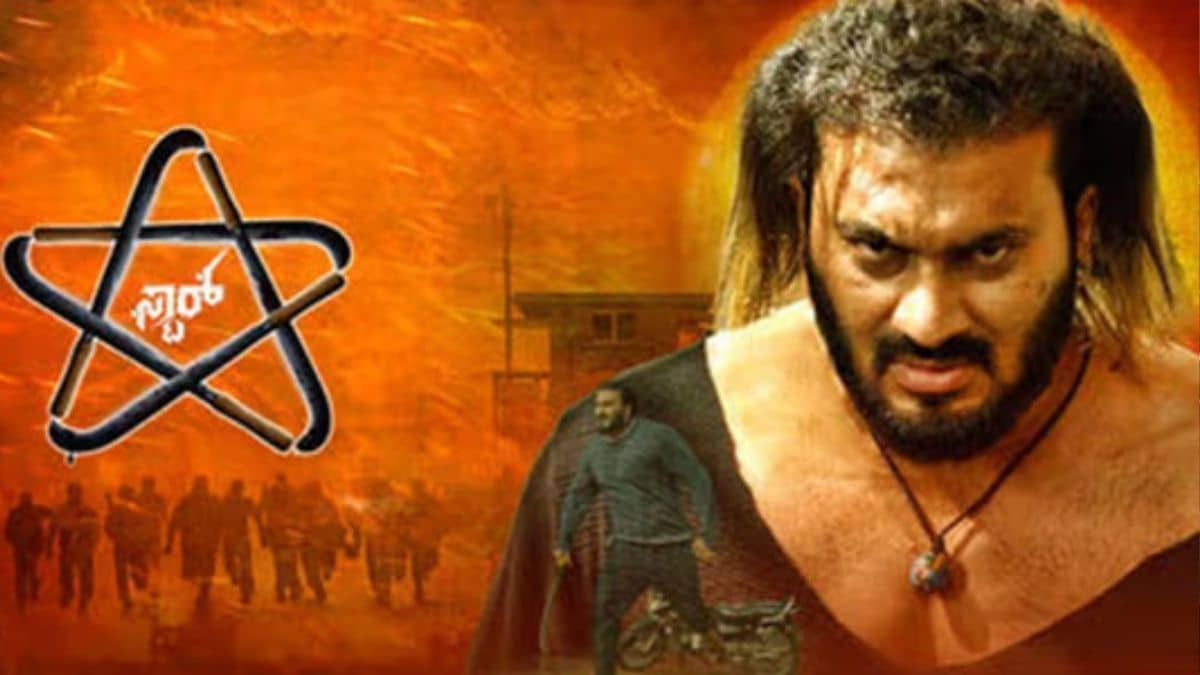
Star (2026) is a Kannada action-romance (UA, 1h 32m) about a boy transformed into a weapon called Nakshatra by gang leader Chandra. Caught between rival gangs and in love with Bhoomi, he must choose between loyalty, friendship, and love. Releases Feb 13, 2026. Fast-paced commercial entertainer for Valentine’s week.
Table of Contents
What Is Star About? Plot Synopsis
Star opens with a premise rich in symbolic possibility: a boy whose story begins in a cemetery, “where most stories end.” This opening immediately establishes that the protagonist’s journey is one of rebirth or second chances — he starts his narrative arc where death typically concludes others’.
This unnamed boy arrives in a town for the sake of a friend, suggesting loyalty and obligation drive his initial actions. The town he enters is locked in constant warfare between two rival gangs, creating an environment where violence is normalized, territorial control determines daily life, and individuals are forced to choose sides or become collateral damage.
The transformation from boy to weapon suggests training, physical conditioning, psychological manipulation, and moral desensitization. Chandra likely serves as mentor, father figure, and commander simultaneously — the person who gave Nakshatra purpose, identity, and belonging while also using him for violent ends.
COMPLETE MOVIE OVERVIEW
| Movie Title | Star |
| Release Date | February 13, 2026 |
| Runtime | 1 hour 32 minutes (92 minutes) |
| Genre | Action, Romantic, Drama |
| Language | Kannada |
| Age Rating | UA (Universal with parental guidance) |
| Format | 2D Theatrical Release |
| Country | India |
| Industry | Sandalwood (Kannada Cinema) |
| Director | Vijay Surya |
| Writer | Vijay Surya |
| Producer | Sharath Prakash. |
| Lead Cast | Lead actor (TBA), Female lead as Bhoomi (TBA), Gang leader Chandra (TBA) |
| Cinematography | Handled by APSK. |
| Music | Vikas Vasishtha |
| Budget | Low to mid-budget |
| Setting | Urban town with rival gang territories |
| Key Characters | Nakshatra (protagonist/weapon), Bhoomi (love interest), Chandra (gang leader/mentor) |
| Central Conflict | Loyalty vs Love, Friendship vs Morality |
| Best For | Fans of action romance, young adult audiences, Valentine’s week viewing, Kannada commercial cinema enthusiasts |
Genre Breakdown: Action Meets Romance in Commercial Framework
Star operates within the well-established Kannada commercial cinema tradition of blending action and romance with dramatic stakes and moral conflict.
Action: Gang Warfare and Physical Spectacle
Action provides the kinetic energy and visual spectacle that draws audiences to commercial cinema. Gang warfare creates opportunities for fight choreography, chase sequences, territorial battles, and the kind of stylized violence that entertains without becoming gratuitously brutal (important for the UA rating).
Nakshatra as a “weapon” suggests he possesses extraordinary fighting skills, physical capabilities, or strategic intelligence that makes him valuable to Chandra and dangerous to rival gangs. The action sequences likely showcase these abilities through set pieces where Nakshatra takes on multiple opponents, protects territory, or executes missions for Chandra.
Romance: Love as Redemption
Romance provides emotional grounding and stakes beyond physical survival. The love story between Nakshatra and Bhoomi is not just subplot — it is the catalyst for the central conflict. Without Bhoomi, Nakshatra might never question his identity as weapon. Love makes him imagine different possibilities.
Romantic commercial cinema works when the relationship feels earned rather than obligatory. Bhoomi must be more than “the girl” — she needs agency, personality, and reasons for loving Nakshatra beyond his physical prowess. What does she see in him that he cannot see in himself? How does she challenge his worldview? Why does he trust her enough to imagine a life beyond violence?
Drama: Moral Conflict and Impossible Choices
Drama emerges from the impossible choice Nakshatra faces. Loyalty to Chandra means continuing life as a weapon, likely leading to death or imprisonment eventually. Friendship means honoring whatever debt brought him to town initially. Love with Bhoomi means betraying Chandra, abandoning the friend, and somehow escaping gang life — all of which may be impossible.
CHECK MORE ON:Tu Yaa Main Movie Review: Bejoy Nambiar Crafts a Bold Genre-Bending Romance That Keeps You On The Edge
The Characters: Nakshatra, Bhoomi, and Chandra
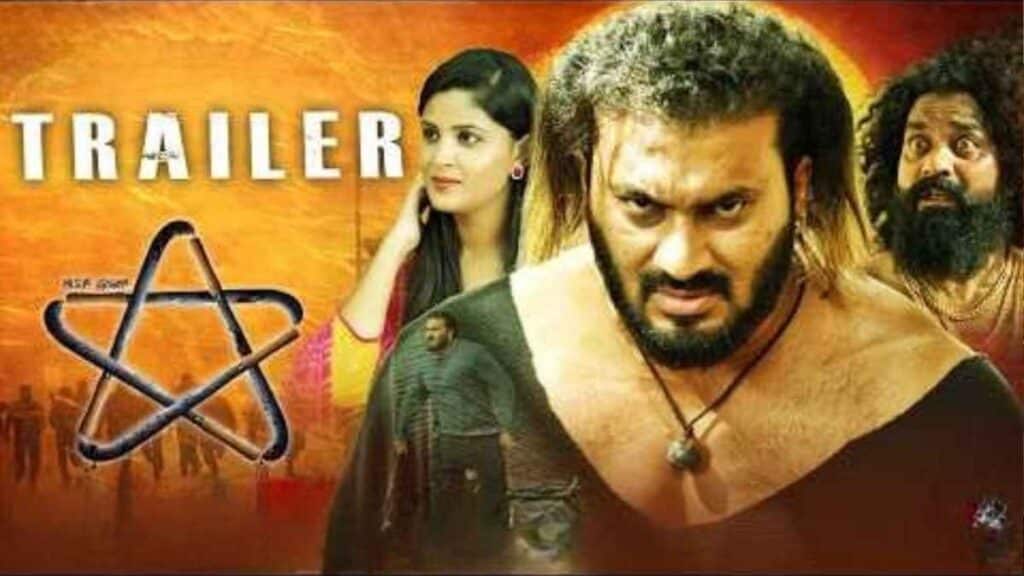
Nakshatra: The Boy Turned Weapon
Identity crisis: Who is he really — the boy who arrived to help a friend, or the weapon Chandra created? Can he reclaim his original self, or has that person been erased permanently?
Moral awakening: Love for Bhoomi likely forces Nakshatra to confront the violence he has committed and the harm he has caused. Falling in love makes you vulnerable and forces you to see yourself through another’s eyes. What does Bhoomi see when she looks at him?
Impossible loyalty: The bonds to Chandra and the unnamed friend who brought him to town create genuine obligation. Nakshatra owes these people — they saved him, gave him purpose, made him strong. Betraying them is not simple or morally clean.
Choice and agency: The climax likely involves Nakshatra choosing for himself rather than following others’ commands. Whether he chooses loyalty, friendship, or love matters less than that the choice is genuinely his.
Bhoomi: Love and Redemption
Moral compass: She sees the violence around her clearly and refuses to accept it as normal or inevitable. Her perspective challenges Nakshatra’s desensitization.
Humanizing force: Love makes Nakshatra vulnerable, which paradoxically makes him more human. Bhoomi sees past the weapon to the boy underneath.
Alternative future: She represents the possibility of a different life — ordinary, peaceful, free from gang warfare. Whether that life is actually achievable is the central question.
Chandra: Mentor and Manipulator
Chandra the gang leader occupies the complicated role of mentor/father figure who is also using Nakshatra as a tool. The best versions of this character archetype are:
Genuinely caring: Chandra likely saved Nakshatra, gave him purpose when he had none, and takes pride in what he has become. The care is real, even if it coexists with exploitation.
Morally compromised: Gang leaders in commercial cinema are rarely purely evil. Chandra probably justifies violence as necessary for survival, loyalty, or protecting his territory and people.
Possessive: He views Nakshatra as his creation and may react with anger or betrayal when love threatens to take him away. The possessiveness masquerades as concern but is ultimately about control.
The 92-Minute Runtime: Efficiency in Commercial Storytelling
At 1 hour and 32 minutes, Star is unusually lean for Indian commercial cinema, which typically runs 2-2.5 hours. This efficiency has both advantages and potential limitations.
Advantages of Short Runtime
No padding: Every scene must serve character, plot, or theme. There is no room for unnecessary songs, comedy tracks that do not advance the story, or repeated exposition.
Tight pacing: The narrative can move quickly, maintaining energy and momentum without the sagging middle that plagues longer films.
Repeat viewing: Shorter films encourage repeat viewings, which can boost box office if word-of-mouth is positive. Audiences are more willing to watch a film multiple times when it does not demand 2.5+ hours.
International appeal: The 92-minute runtime aligns more closely with international commercial cinema standards, potentially making the film more accessible to non-Indian audiences and easier to distribute in markets where long runtimes are barriers.
Potential Limitations
Character development: Developing three-dimensional characters while also delivering action, romance, and gang warfare in 92 minutes requires exceptional screenplay efficiency. There is limited space for backstory, internal conflict, or emotional beats that require time to land.
World-building: Establishing a town with two rival gangs, their histories, territorial dynamics, and why Nakshatra matters to the conflict requires exposition that may feel rushed.
Romantic development: Convincing audiences that Nakshatra and Bhoomi’s love is deep enough to justify him betraying everything else requires time to show their relationship developing. If rushed, the romance may feel obligatory rather than earned.
The Cemetery Opening: Symbolism and Second Chances
Death and rebirth: Cemeteries are where the dead are buried, but they are also where new life sometimes grows. The boy’s story beginning here suggests he is being reborn, given a second chance at life after something (literal or metaphorical death) ended his previous existence.
Endings and beginnings: The poetic observation that his story starts where others end invites us to see his journey as exceptional, fated, or miraculous. He is not an ordinary boy but someone marked by unusual circumstances from the beginning.
Loss and grief: Cemeteries are also places of mourning. The opening may suggest the boy has lost someone important — family, friends, innocence — and that loss motivates his choices.
Valentine’s Week Release: Positioning as Romantic Action
Releasing on February 13, 2026 (the day before Valentine’s Day) positions Star as romantic viewing that also delivers action for audiences who want more than pure romance.
Valentine’s week traditionally belongs to romantic films, but there is always space for action films with strong romantic subplots that allow couples to enjoy both genres simultaneously. Star appears designed specifically for this audience — action fans who want romance, romance fans who want action, and couples looking for something that satisfies both preferences.
The UA rating is crucial for this strategy. It allows the film to be date-night viewing for young couples, family viewing for parents with teenage children, and accessible entertainment for audiences who avoid A-rated violent content.
Themes: Loyalty, Identity, and the Possibility of Redemption
Star explores several interconnected themes that give its commercial framework emotional and moral depth.
Manufactured Identity vs Authentic Self
Nakshatra is a created identity imposed by Chandra to serve gang purposes. The boy’s original name and identity have been erased. The central question becomes: who is he really? Can he reclaim his original self, or has the transformation into weapon become permanent? Is it possible to be both the boy and Nakshatra, or must he choose?
Loyalty as Trap and Virtue
Loyalty to Chandra and to the friend who brought him to town is presented as simultaneously virtuous (honoring debts, valuing relationships) and potentially destructive (preventing escape from violence, forcing complicity in harm). The film likely examines how loyalty can be weaponized to prevent people from choosing freedom.
Love as Humanizing Force
Bhoomi’s love for Nakshatra and his love for her represent the possibility that violence and dehumanization are not permanent. Love sees the person beneath the weapon. It offers the promise that transformation is possible in both directions — violence can turn people into weapons, but love can turn weapons back into people.
The Moral Cost of Survival
Gang life is presented as survival strategy — people join gangs because they offer protection, belonging, and power in environments where those are scarce. Nakshatra likely did not choose gang life from malice but from necessity. The film probably asks: how do you judge people who make violent choices to survive? What moral responsibility do they bear, and how much is structural?
Impossible Choices and Moral Complexity
The strongest theme is probably the recognition that life sometimes offers no good choices, only less bad ones. Nakshatra cannot satisfy loyalty, friendship, and love simultaneously. Whatever he chooses will betray someone, break something, cause harm. The film’s moral seriousness depends on acknowledging that choosing right is not always simple or obvious.
Final Verdict: Lean, Efficient Commercial Entertainment
(4/5 Stars )
Based on the premise, runtime, and positioning, Star appears designed as lean, efficient commercial entertainment that delivers action, romance, and moral conflict without overstaying its welcome.
What Worked:
Compelling Central Conflict: The choice between loyalty, friendship, and love creates genuine dramatic tension with no easy resolution.
Symbolic Depth: The cemetery opening, character names (Nakshatra/star, Bhoomi/earth), and transformation themes suggest storytelling ambitions beyond surface action.
Efficient Runtime: At 92 minutes, the film avoids the bloat that plagues longer commercial cinema, potentially creating tight, propulsive storytelling.
Valentine’s Positioning: Releasing February 13 with action-romance blend targets couples and families seeking accessible entertainment.
Potential Concerns:
Unknown Cast and Crew: Without confirmed star power or established director, theatrical draw depends entirely on premise, promotion, and word-of-mouth.
Development Time Constraints: Building three-dimensional characters and convincing romantic chemistry while delivering gang warfare action in 92 minutes requires exceptional screenplay efficiency that may or may not be achieved.
When does Star release?
Star releases on February 13, 2026 in theaters.
What language is Star in?
The film is in Kannada language.
How long is Star?
The runtime is 1 hour and 32 minutes (92 minutes).
