


There’s something about slipping a wedding band onto your finger for the first time. It’s not just jewelry—it’s a physical manifestation of a promise, a small circle that holds the weight of forever. For Indian couples, especially those navigating life abroad, this ring often becomes an anchor, a piece of home you carry with you through every new chapter.
Choosing that perfect band isn’t always straightforward. Between cultural traditions, personal style, and the practical reality of daily wear, there’s a lot to consider. But at its heart, the decision is deeply personal: What does “forever” look like to you?
Quick Answer:
Choosing a wedding band that truly symbolizes forever comes down to three things: meaningful design (eternity bands, classic circles, or infinity motifs), durable materials that withstand daily life (platinum, gold, or modern metals), and personal touches that reflect your unique story. Whether you’re drawn to diamond-studded brilliance or understated elegance, the right band becomes a daily reminder of the promise you made—one that’s meant to last a lifetime.
In this Article
Why the Circle Has Always Meant Forever
The wedding band’s circular shape isn’t a modern invention. Ancient Egyptians believed the circle represented eternity—no beginning, no end, just an unbroken loop. When you place that ring on your finger, you’re continuing a tradition that spans thousands of years and countless cultures.
For many Indian families, the symbolism runs even deeper. The ring joins other sacred symbols—mangalsutra, sindoor, bangles—each carrying its own meaning but all pointing to the same promise of lifelong partnership. In Western countries where you might be building a life far from extended family, that wedding band often becomes the most visible sign of your commitment, worn every single day regardless of occasion.
Designs That Speak to Eternity
The Eternity Band: An Unbroken Promise
If you want a design that literally symbolizes “no end,” the eternity band is hard to beat. Picture a continuous line of diamonds or gemstones circling the entire ring—no gaps, no breaks, just uninterrupted sparkle.
The 4-stone diamond wedding band offers a beautiful interpretation of this concept. While not a full eternity band, the four carefully placed stones create a balanced, elegant look that’s both meaningful and practical for everyday wear.
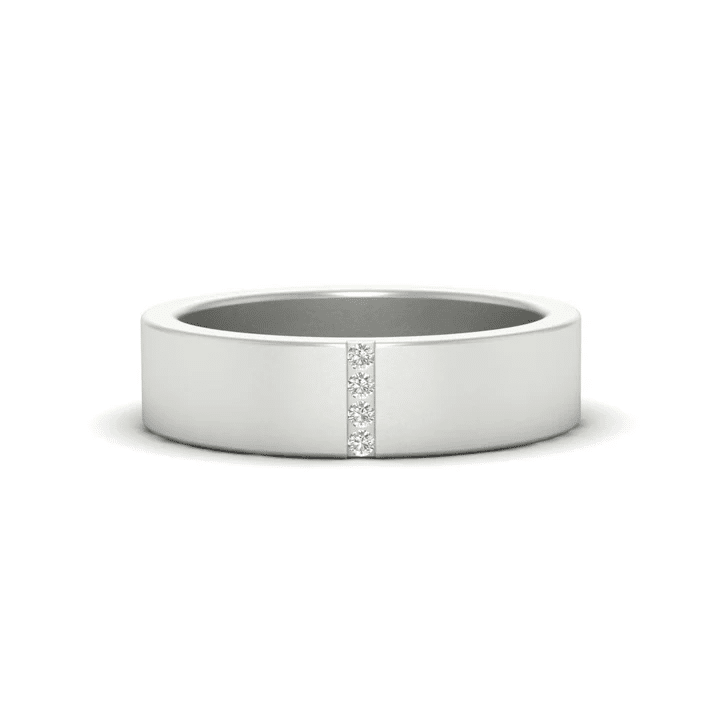
Full eternity bands are stunning, but they come with a trade-off: they can’t be resized easily, and those stones on the underside might catch on things or feel less comfortable. Half-eternity bands give you that sparkling symbolism on the visible portion while keeping the underside smooth and practical.
Check Out: Diamond Rings Explained: Cut, Clarity, and What Actually Matters
The Classic Plain Band: Simplicity That Endures
Sometimes the most powerful statement is the simplest one. A plain circular band—whether in gleaming platinum or warm gold—lets the symbolism of the circle itself do all the talking.
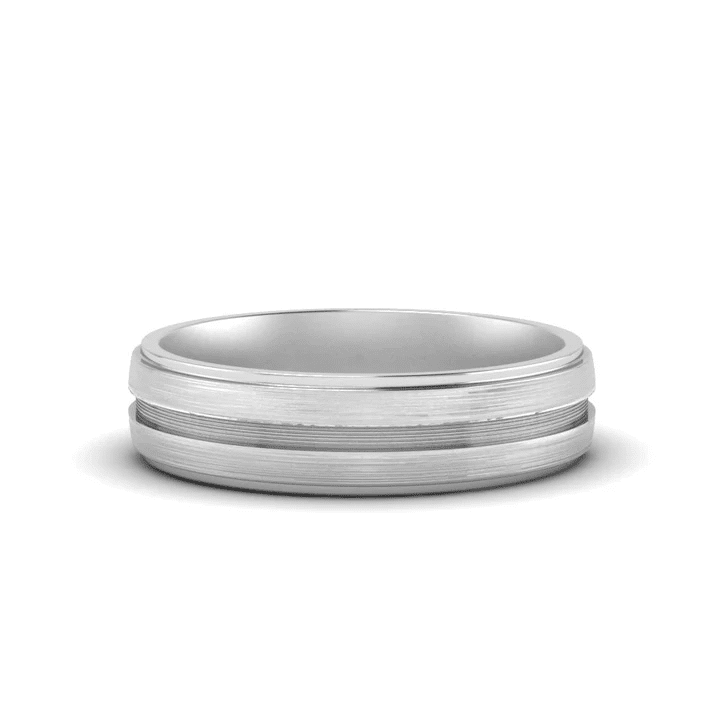
There’s something quietly confident about choosing simplicity. It says your love doesn’t need embellishment, doesn’t require extra sparkle to prove its worth. The textured inlay wedding band strikes that perfect balance—understated enough to wear anywhere, distinctive enough to feel special. The subtle texture catches light in unexpected ways, much like how small moments in a marriage reveal unexpected beauty.
Modern Interpretations: Infinity and Beyond
Contemporary designs have found new ways to express timelessness. Some bands incorporate the infinity symbol directly into their design—a mathematical representation of something that goes on without limit.
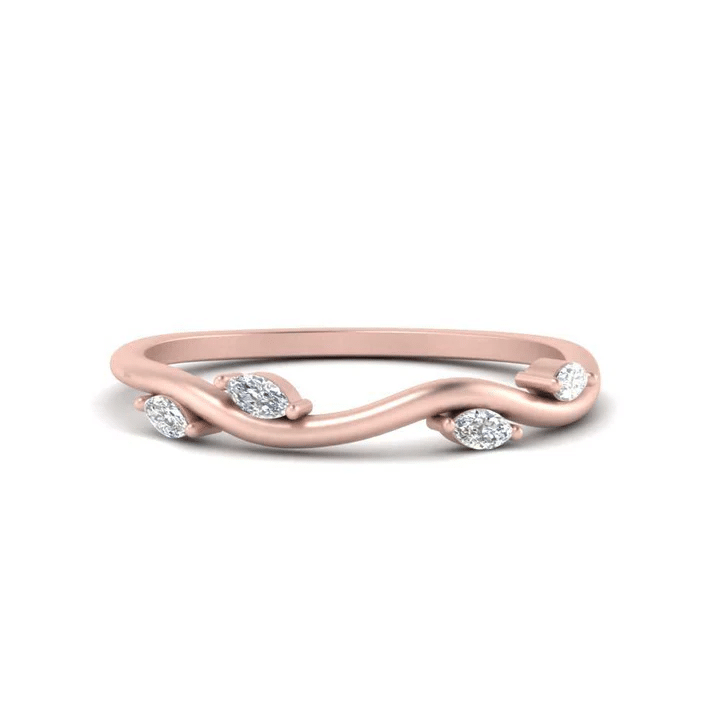
The vine marquise simple wedding band takes a different approach to forever, with delicate vine-like details that suggest growth and organic connection. It’s a reminder that “forever” isn’t static—it’s something that grows and evolves, just like your relationship.
Interlocking designs are another beautiful option, where two bands fit together seamlessly. They’re separate pieces that create something complete only when joined—a pretty apt metaphor for marriage itself.
Three-Stone Bands: Past, Present, Future
The three-stone setting tells a story: where you’ve been, where you are now, and where you’re heading together. It’s particularly meaningful for couples who’ve weathered long-distance relationships, visa uncertainties, or the challenge of building a life between two cultures.
Each stone becomes a chapter. That first one might represent those early days—late-night video calls across time zones, the nervous excitement of introducing your partner to your family. The center stone is now, this moment of commitment. And that third stone? That’s every anniversary yet to come, every challenge you’ll face together, every joy you’ll share.
Check Out: One Ring, One Promise: How to Pick a Diamond That Truly Matters
Materials That Last
Platinum: The Forever Metal
If metals had personalities, platinum would be the one who keeps promises. It’s naturally white, so it never fades or tarnishes. It’s dense and durable, developing a soft patina over time that some people find even more beautiful than its original shine.
For someone who works with their hands or leads an active lifestyle—maybe you’re in healthcare, or you’re that person who’s always cooking for community gatherings—platinum holds up remarkably well. It’s hypoallergenic too, which matters if you’ve got sensitive skin.
The men’s diamond engagement rings collection shows how platinum’s strength allows for intricate designs that still maintain their integrity over decades of wear.
Gold: Tradition Meets Timelessness
Gold carries centuries of cultural significance for Indian families. Whether you choose yellow gold’s warm glow (which might remind you of jewelry back home) or the contemporary look of white or rose gold, you’re choosing a metal that’s proven its worth across generations.
The 14K and 18K options balance purity with durability. Pure 24K gold is too soft for daily wear, but 14K or 18K alloys add strength while maintaining that unmistakable golden beauty.
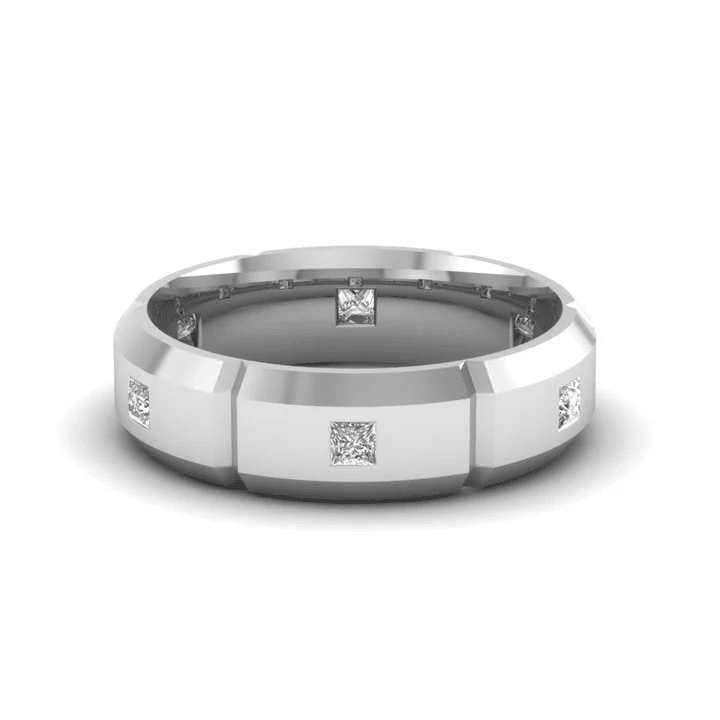
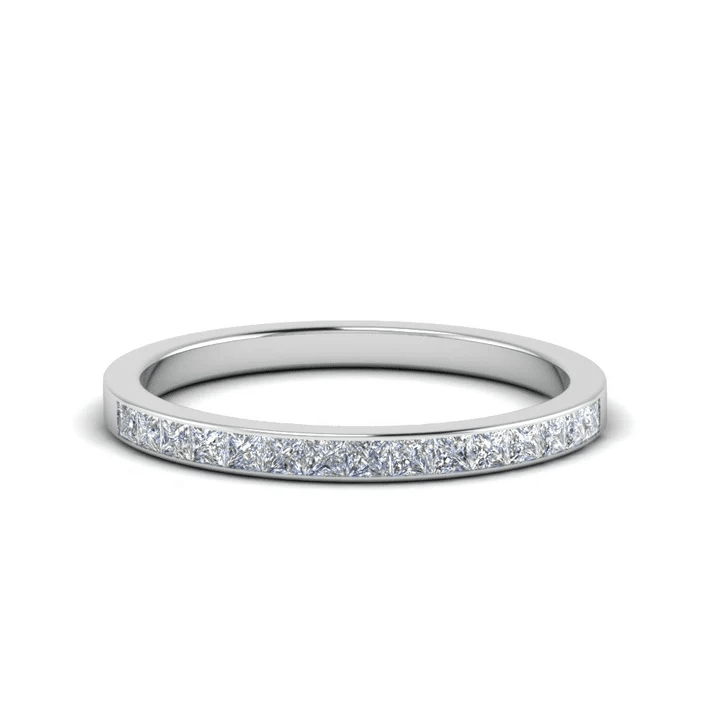
The 0.25 ct princess channel wedding band demonstrates how gold settings can showcase diamonds beautifully while protecting them for everyday wear. Those channel-set stones sit flush with the metal, reducing the chance of snagging or damage.
Alternative Metals: Modern Durability
Titanium, tungsten, and other modern metals have carved out their own place in wedding jewelry. They’re incredibly scratch-resistant, lightweight, and often more budget-friendly than precious metals.
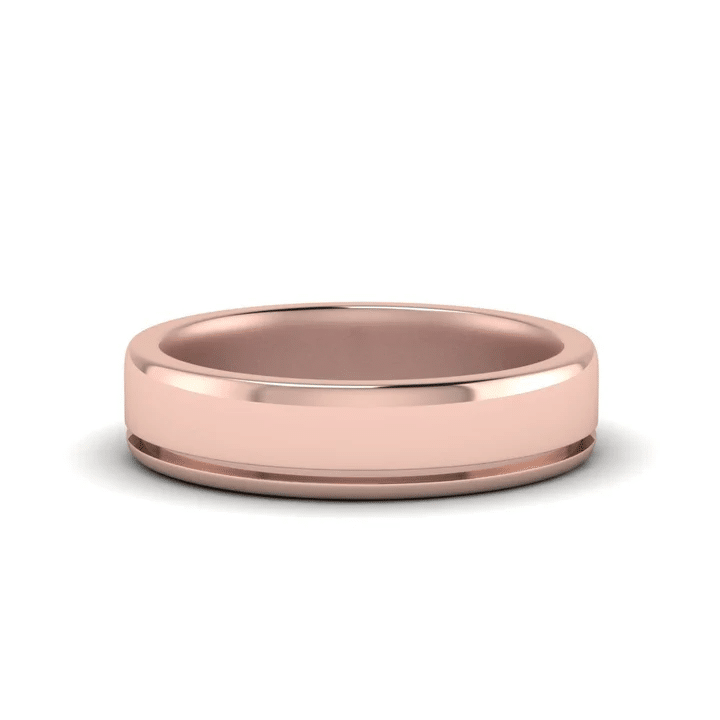
The satin inlay wedding rings show how alternative metals can be styled to look sophisticated rather than industrial. That satin finish has a subtle elegance that feels both modern and timeless.
These metals work particularly well if you’re in tech, engineering, or other fields where you’re hard on jewelry. They’re also hypoallergenic, which is a real consideration if traditional metals irritate your skin.
Making It Personal
Engravings That Matter
The inside of your wedding band is prime real estate for something meaningful that only you two know about. Maybe it’s your wedding date in the format familiar from home (DD/MM/YYYY rather than the American style). Maybe it’s a phrase in Hindi or your mother tongue—”हमेशा के लिए” (hamesha ke liye – forever) or “என்றும் உன்னுடன்” (entrum unnudan – always with you in Tamil).
Some couples engrave coordinates—the exact location where they got engaged, or where they first met. Others keep it simple with initials and a date. There’s no wrong choice here; whatever makes you smile when you take off your ring to wash dishes or put on hand cream is exactly right.
Comfort for Daily Wear
Here’s something nobody tells you until after the wedding: you’re going to wear this ring every single day. When you’re mixing dough for rotis, typing reports for work, carrying grocery bags from Costco, giving your kid a bath—that ring stays on.
Comfort fit bands have slightly rounded edges rather than flat ones, making them more comfortable for all-day wear. The width matters too. If you’re not used to wearing rings, jumping straight to an 8mm band might feel overwhelming. A 4-6mm width often hits the sweet spot for everyday comfort.
Half-eternity bands give you sparkle where people can see it while keeping the palm side smooth and comfortable. It’s practical wisdom that doesn’t diminish the symbolism one bit.
Matching or Complementing?
If you already have an engagement ring, you’ll need to decide whether your wedding band should match exactly or complement it. Matching metals is usually a good starting point—if your engagement ring is platinum, a platinum wedding band will wear at the same rate and maintain visual harmony.
Some couples choose a curved wedding band that nestles perfectly against the engagement ring. Others prefer straight bands that can be worn alone on days when they want something simpler. There’s no rule that says both partners need matching styles either. Your bands should reflect your individual personalities as much as your shared commitment.
The Band That’s Right for You
Choosing a wedding band is one of those decisions that feels enormous in the moment and then becomes so natural you forget you ever had to make it. That ring will witness ordinary Tuesdays and extraordinary milestones. It’ll be there when you’re chopping vegetables for dinner, closing a big deal at work, holding your child’s hand on their first day of school, dancing at your best friend’s wedding.
The “right” band isn’t about following trends or meeting some external standard. It’s about choosing something that resonates with your specific story—two people building a life together, often across continents and cultures, creating something new while honoring where you came from.
Maybe that’s a classic gold band that reminds you of your parents’ rings. Maybe it’s a modern design with unexpected details that represent your shared adventure. Maybe it’s something simple that lets your engagement ring shine, or maybe it’s a bold statement that stands perfectly on its own.
The circle will always mean forever. But the specific circle you choose? That’s about the particular forever you’re creating together—one day, one choice, one quiet promise at a time.
